Design professionals enjoy exclusive discounts and benefits. Join our Trade program.
Your Guide to the Perfect Custom Size Striped Runner Rug
Article Posted On: September 23, 2026
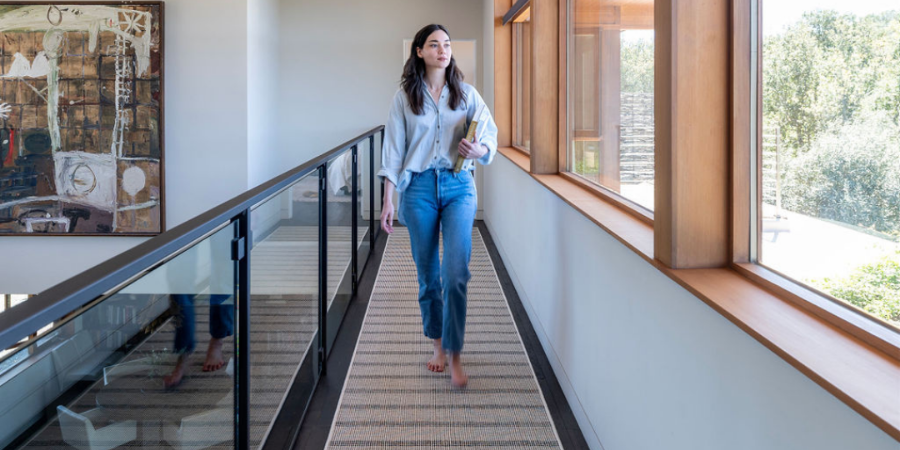
Every home has them: those awkward, in-between spaces that are tricky to decorate. A long hallway, a narrow kitchen, or a winding staircase can feel like a design challenge. These areas are the perfect opportunity to introduce color, texture, and personality with a runner rug. A striped pattern is a classic choice that adds visual interest without overwhelming the space. The only problem is that these unique areas rarely work with standard rug dimensions. This is where a custom size striped runner rug becomes your secret weapon, allowing you to create a perfectly proportioned piece that brings style and cohesion to any part of your home. Ahead, we’ll explore all the places a runner can shine and how to get the placement just right.
Key Takeaways
- Embrace Customization for a Perfect Fit: A custom runner is the best solution for tricky spaces like long hallways or stairs. It allows you to specify the exact dimensions, material, and pattern, creating a cohesive look that standard-sized rugs simply can't match.
- Match the Material to Your Lifestyle: Consider how you use the space when selecting a material. Durable options like sisal or synthetics are ideal for high-traffic entryways, while softer wool or jute are perfect for cozier areas. Always include a quality rug pad for safety and longevity.
- Measure with Confidence Using a Simple Trick: To get the size right, plan for a 4 to 6-inch border of exposed floor on all sides of the runner. Before ordering, use painter's tape to outline the final dimensions on your floor; this is a foolproof way to visualize the fit and confirm your measurements.
Why Go Custom with Your Striped Runner?
You’ve probably been there: you find a striped runner you love, but it’s six inches too short for your hallway. Or maybe the colors are almost right, but not quite. This is where the magic of custom design comes in. Going custom isn’t just a luxury; it’s a practical solution for creating a space that feels cohesive and truly yours. Instead of trying to make a standard-sized rug work, you can create a runner that was literally made for your home. From achieving a perfect fit to selecting the exact stripe pattern and material that matches your vision, a custom runner solves all the common frustrations of rug shopping. It’s about getting exactly what you want, down to the last inch.
Enjoy a Flawless Fit
There's nothing more frustrating than a runner that's just a little too short or awkwardly wide for a hallway. Choosing the wrong size can make even a beautiful room feel disjointed and poorly planned. With custom area rugs, that problem disappears. You can specify the exact length and width you need, whether it's for an extra-long hallway, a unique entryway, or a winding staircase. This ensures your runner looks like an intentional part of the design, not an afterthought. A flawless fit creates clean lines and a sense of harmony, making your space feel more polished and put-together. It’s the kind of detail that makes a huge difference in the overall look of your home.
Express Your Unique Style
A striped rug can be a dynamic foundation for your space, but finding the perfect one off the shelf can be a challenge. Customization gives you the creative freedom to design a runner that perfectly expresses your personal style. You get to be the designer, choosing between understated, timeless textures and bold, eye-catching patterns. Want a thin pinstripe in a neutral tone or a wide, colorful stripe that makes a statement? You can select the pattern, scale, and colors that bring your vision to life. If you need a little guidance, a design consultation can help you sort through the options and create a piece that’s uniquely you, ensuring your runner is a true reflection of your home's personality.
Make a Smart Long-Term Investment
A custom runner is more than just a decor piece; it's a smart investment in your home. While it might seem easier to grab a standard rug, a poorly fitting or low-quality option often needs to be replaced sooner, costing you more in the long run. When you go custom, you’re not just paying for the perfect size. You’re also investing in quality materials built to handle busy, high-traffic areas. These rugs are crafted for durability, standing up to daily life in hallways, kitchens, and on stairs. By choosing the right material and ensuring a perfect fit, you get a beautiful runner that will last for years. You can even order free samples to feel the quality for yourself before committing.
What's the Best Material for a Striped Runner?
Choosing the right material for your striped runner is about more than just looks. It determines how your rug feels underfoot, how it holds up to daily life, and how you’ll care for it. Think about where your runner will live. Is it a busy entryway that sees a lot of foot traffic, or a quiet upstairs hallway? Answering that question is the first step to finding a material that you’ll love for years to come. Let’s walk through the most popular options.
Wool
Wool is a classic for a reason. It’s incredibly durable and has a soft, luxurious feel that instantly makes a space feel more inviting. Because it’s naturally stain-resistant and resilient, wool is an excellent choice for high-traffic areas like hallways and stairs. It bounces back well from foot traffic, so it won’t crush or flatten easily.
Wool also has the unique ability to help regulate temperature, feeling cozy in the winter and cool in the summer. If you’re looking for a runner that combines timeless beauty with practical strength, a custom wool rug is a fantastic investment that brings comfort and style to any part of your home.
Natural Fibers: Sisal, Jute, and Seagrass
If you love a textured, organic look, natural fiber rugs are for you. Each one has its own personality. Jute is the softest of the bunch, with a chunky, cozy weave that’s perfect for low-traffic areas where you might be barefoot. Sisal is its tougher cousin; it’s more structured and incredibly durable, making it a go-to for busy entryways and hallways that need to withstand a lot of wear.
Seagrass is another practical favorite, known for being smooth underfoot and wonderfully resistant to stains and spills. Because of their distinct textures and tones, these materials create beautiful, subtle stripes. Exploring natural fiber rugs is a great way to bring an earthy, sophisticated feel to your space.
Synthetic Fibers
Don’t overlook synthetic fibers like polypropylene and nylon. These materials are workhorses, offering amazing durability and stain resistance at an affordable price point. This makes them a smart, practical choice for busy households with kids, pets, or just a lot of activity. If you’re worried about spills or muddy paws, a synthetic runner can give you serious peace of mind.
Modern synthetic rugs are also great at mimicking the appearance of natural fibers, so you can get the look of sisal or wool with easier maintenance. Many are even suitable for outdoor or high-moisture areas. For a runner that can handle anything life throws at it, a custom synthetic rug is a worry-free solution.
Match the Material to Your Space
Ultimately, the best material is the one that fits your lifestyle. Think about the demands of the specific spot where your runner will go. A busy main hallway needs something that can handle constant foot traffic, so durable sisal or a synthetic fiber would be a great fit. For an upstairs hall or a bedroom, you might prefer the soft, cozy feel of wool or jute underfoot.
The best way to make a final decision is to experience the materials for yourself. Seeing and feeling the textures in your own home, with your lighting and decor, makes all the difference. Ordering free rug samples can help you choose with confidence, ensuring your new runner not only looks perfect but also feels right for your space.
Choose Your Stripe Style and Construction
Once you’ve landed on the perfect material, it’s time for the fun part: designing the look of your runner. The construction, pattern, and finishing touches all work together to create a piece that’s uniquely yours. From the way the fibers are assembled to the color of the border, every detail matters in crafting a runner that not only fits your space but also reflects your personal style. Let’s walk through the key elements to consider.
Woven vs. Tufted: What's the Difference?
The way a rug is made has a big impact on its texture, durability, and appearance. Most striped runners are either woven or tufted. Woven rugs are created on a loom by interlacing threads, resulting in a flat, durable surface that’s great for high-traffic areas. Think of it like a tightly made basket; everything is locked together.
Tufted rugs are made by punching yarn through a backing material and then securing it with an adhesive layer. This method allows for a plusher feel underfoot and a wider variety of textures. While both construction types are excellent, choosing between them often comes down to whether you prefer a low-profile, sturdy feel or a softer, more cushioned texture for your runner.
Find Your Perfect Pattern, Scale, and Color
Stripes are timeless, but they are far from one-dimensional. The right pattern can completely transform a hallway or staircase. Consider the scale of the stripe. Wide, bold stripes make a strong statement, while thin pinstripes offer a more subtle, classic look. The color palette is just as important. High-contrast combinations like black and white or navy and cream create a crisp, graphic effect. For a softer look, a tonal beige or a multi-stripe rug with gentle, complementary colors can add warmth and texture. Don’t be afraid to order free samples to see how different colors and patterns look in your home’s lighting.
Which Interior Styles Love a Striped Runner?
A striped runner is a design chameleon; it can adapt to almost any interior style. For a coastal or Hamptons-inspired home, a classic navy and white striped runner is a natural fit. If your style is more modern or minimalist, a clean black and white stripe can add graphic punch without creating clutter. In a rustic or farmhouse setting, a striped runner made from a natural fiber like jute or sisal adds beautiful, understated texture. And for those who love a bohemian or eclectic vibe, a brightly colored, multi-stripe runner can be the perfect playful addition. A runner is a fantastic way to introduce pattern and personality into a narrow space.
The Finishing Touch: Binding and Edges
The border of your rug, known as the binding, is like the frame on a piece of art. It’s a small detail that makes a huge difference in the finished look. A serged edge, where yarn is wrapped tightly around the edge, offers a clean, minimal finish that blends seamlessly with the rug. For a more defined and tailored look, you can opt for a fabric binding. These come in materials like cotton or linen and can either match the rug for a subtle look or come in a contrasting color to create a custom border. This finishing touch not only prevents fraying but also gives your custom area rug a polished, high-end feel.
How to Measure for a Custom Runner
Getting the measurements right for a custom runner might sound intimidating, but it’s really just a few simple steps. Think of it as creating the perfect frame for your floor. A well-measured runner looks intentional and polished, while one that’s just a little off can make the whole space feel unbalanced. Grab a tape measure, and let’s walk through the process together. By following these five steps, you can feel confident that you’re ordering the exact right size for your home.
Step 1: Measure the Length
First things first, let's figure out the length. Using a metal tape measure, measure the full length of your hallway, entryway, or kitchen floor where the runner will go. For a long hallway, it can be helpful to have a second person hold one end of the tape. I always recommend measuring twice (or even three times) just to be sure. Write down the measurement so you don't forget. You’ll want to decide if the runner should span the entire length of the hall or stop short of any doorways or entry points. We’ll get into leaving margins in a bit, but for now, just get that total length.
Step 2: Decide on the Width
Now for the width. Measure the width of your hallway from wall to wall. This measurement is your starting point. A custom runner shouldn't cover the entire floor width; you'll want to leave some space on either side. A common rule of thumb is to subtract about 8 to 12 inches from the total width of your hallway. This would leave a 4 to 6-inch border of flooring exposed on each side, which creates a clean, defined look. The beauty of ordering a custom runner is that you have complete control, so you can adjust this based on your personal preference.
Step 3: Plan for Margins
Those borders we just mentioned are your margins, and they’re key to getting a professional look. Leaving a few inches of bare floor exposed on all sides of your runner makes the space feel more open and intentional. For most hallways, a margin of 4 to 6 inches on each side is ideal. You should also plan for a margin at the beginning and end of the runner, typically between 6 to 12 inches. This prevents the rug from bunching up against a door or wall and creates a nice visual pause. It’s all about creating balance and flow.
Step 4: Factor in Furniture
Before you finalize your dimensions, take a look at what else is happening in the space. Do you have a console table, a bench, or any doorways? Make sure your runner won't interfere with doors swinging open. Check the clearance you need; a higher pile rug requires more space. If you have furniture, decide if you want it to sit completely on or off the rug. For a narrow runner, it's usually best to have furniture off the rug entirely. To check the thickness and pile height, you can always order free samples to test in your space before you commit to a final purchase.
Step 5: Test with Painter's Tape
This is my favorite trick for eliminating any guesswork. Once you have your ideal length and width, use painter's tape to outline the runner's dimensions directly on your floor. This simple step lets you visualize exactly how the rug will look and feel in the space. You can see if the margins are right, check the placement relative to furniture, and walk the path to make sure it feels natural. It’s a foolproof way to confirm your measurements before placing your order. If you're still feeling unsure, a design consultation can provide that extra bit of expert guidance.
Avoid These Common Measuring Mistakes
You’ve picked the perfect material and a stripe you love, and now it’s time for the tape measure. This part can feel a little intimidating, I get it. When you’re ordering a custom piece, you want it to be absolutely perfect. The good news is that getting the measurements right is completely within your control. It just requires a little patience and a solid plan. Think of it as the final step in bringing your vision to life. By taking your time and being mindful of a few common slip-ups, you can ensure your new runner fits your space as if it were made for it, because, well, it was. A custom runner is an investment in your home's style and function, so taking these extra few minutes to be precise is well worth the effort. It's the difference between a rug that looks "good enough" and one that looks truly bespoke. Let’s walk through the three most common measuring mistakes I see and how you can easily sidestep them for a flawless result. These simple checks will give you the confidence to click “order” knowing your beautiful new rug will fit just right.
Forgetting Stair Treads and Risers
Measuring for a striped runner on a staircase is a different ballgame than measuring for a flat hallway. The biggest mistake is only measuring the flat part of the step (the tread) and forgetting the vertical part (the riser). To get it right, you need to measure the depth of one tread and the height of one riser. Add those two numbers together, then multiply the total by the number of stairs you have. This gives you the total length you’ll need. If your stairs feel particularly tricky or you just want a second opinion, our design consultation is a great way to get expert advice before you commit.
Ordering Multiple Pieces Instead of One
It can be tempting to grab a few standard-sized runners to cover a long hallway, but this often leads to a disjointed look. The rugs can shift, creating gaps and tripping hazards, and the patterns may not line up perfectly. A single, continuous runner provides a much cleaner, more luxurious aesthetic. It creates an uninterrupted visual line that makes your space feel more cohesive and thoughtfully designed. Plus, a single piece is far easier to clean and maintain. Instead of trying to piece things together, explore the beauty of a single custom rug that’s made to fit your exact dimensions from end to end.
Skipping the Final Double-Check
You know the old saying, “measure twice, cut once”? When it comes to custom rugs, we say, “measure twice, order once.” Before you finalize your numbers, take a moment to double-check everything. If possible, have a second person measure the space and see if their numbers match yours. Remember to account for the margins you planned, leaving a bit of bare floor visible for the best look. Using painter’s tape to outline where the rug will go is still the best way to visualize the final placement. Seeing the outline in your space can help you catch any miscalculations. You can even place one of your free samples within the tape to really see it all come together.
Find the Perfect Spot for Your Runner
Runner rugs are the unsung heroes of home decor. They’re incredibly versatile, adding color, texture, and definition to those long, narrow spaces that can be tricky to style. While hallways are the classic choice, runners can work their magic in many other areas of your home. The key is knowing how to place them correctly to create a look that feels intentional and balanced. Getting the placement right ensures your runner not only looks great but also makes your space feel more cohesive and welcoming. Let’s walk through some of the best spots for a runner and how to make it fit perfectly.
Hallways and Entryways
A striped runner can completely transform a plain hallway or entryway from a simple pass-through area into a stylish destination. The general rule of thumb is to leave about four to six inches of bare floor visible on each side of the runner. For example, if your hallway is three feet wide, a runner that’s around 27 inches wide will look just right. This little bit of breathing room frames the rug beautifully and prevents the space from feeling cramped. A custom-sized rug ensures you can achieve this perfect proportion, no matter how unique your hallway dimensions are.
Staircases
Placing a runner on your staircase adds a touch of elegance, provides cushioning underfoot, and can make your stairs safer. Since stairs have very specific dimensions, this is where a custom runner truly shines. You’ll want to measure carefully to ensure a perfect fit from top to bottom. For a polished look, it’s common to leave a few inches of the stair tread visible on either side of the runner. If you’re feeling unsure about measuring such a critical area, a design consultation can help you get the numbers exactly right for a professional-looking installation.
Kitchens and Narrow Rooms
Kitchens, especially galley-style layouts, are fantastic spots for a runner. A runner can define the main walkway, add a comfortable surface to stand on while you cook, and inject a dose of color and pattern into a functional space. It can also work wonders in other narrow rooms, like a laundry room or a large walk-in closet. To find the right size, measure the length and width of the floor space you want to cover. Then, subtract a few inches from the width to ensure a snug but not-too-tight fit. You can always order free samples to see which material and color works best with your cabinets and flooring.
Let's Talk Safety: Backing and Rug Pads
You’ve found the perfect striped runner, and it looks amazing. Now, let's make sure it's as safe as it is stylish. A shifting or sliding rug is more than just an annoyance; it's a real hazard, especially in a high-traffic area like a hallway or on a staircase. Securing your runner is a simple step that makes a huge difference in your home, giving you peace of mind along with great design. This is where choosing the right backing or rug pad comes into play, and it’s a detail you definitely don’t want to overlook.
Why a Non-Slip Grip Is a Must
Think about the main job of a runner: to handle constant foot traffic in a busy part of your home. Whether it's in an entryway, on the stairs, or in the kitchen, your runner sees a lot of action. A non-slip grip is essential to keep it firmly in place. This is especially true if you have kids running through the house, pets chasing toys, or older relatives visiting. On slick surfaces like polished hardwood, tile, or vinyl, a rug without a proper grip can feel like a banana peel waiting to happen. A secure runner stays flat and doesn't bunch up, keeping your home safe and looking tidy.
Rug Pads vs. Backed Rugs: Which Do You Need?
So, how do you get that non-slip grip? You generally have two choices: a rug with a built-in backing or a separate rug pad. While a runner with a pre-attached backing seems convenient, I almost always recommend using a separate, high-quality rug pad. Here’s why: a good rug pad not only keeps your runner from sliding but also adds a layer of cushioning, making it more comfortable to walk on. It also protects your floors from scratches and your rug from premature wear by absorbing foot impact. While a built-in backing can work, it often doesn't offer the same level of grip or protection and can break down over time. A separate pad is a small investment that goes a long way In preserving both your floor and your beautiful new runner.
Where to Find Your Custom Striped Runner
Once you have your measurements and style in mind, the final step is finding a retailer who can bring your vision to life. The right partner makes all the difference, turning the process from a stressful task into a creative project. You want a company that not only offers quality materials and craftsmanship but also provides the support and tools you need to design with confidence. Look for a specialist in custom rugs who understands the nuances of creating a piece that fits your home perfectly.
The Perfect Rug Advantage
When you’re ready to design your striped runner, you want a process that’s straightforward and puts you in control. At The Perfect Rug, you can design your next striped area rug online and truly have your rug your way. Because we specialize in custom sizes, you aren’t limited to standard dimensions that don’t quite work for your space. You get to specify the exact length and width, choose from a wide array of high-quality materials, and select the perfect binding to finish the look. It’s all about creating a beautiful, durable runner that is uniquely yours and made to last.
Try Before You Buy with Free Samples and Consultations
Buying a rug online can feel like a leap of faith, but it doesn’t have to be. We want to help you find the perfect rug to make your home feel welcoming, which is why we believe in trying before you buy. You can order free custom rug samples to see and feel the materials in your own space and under your own lighting. This simple step removes any guesswork about color and texture. If you need a second opinion or help refining your ideas, our team is here for you. A complimentary rug design consultation can provide the expert guidance you need to feel completely confident in your final choice.
What to Look for in a Custom Rug Retailer
As you compare your options, keep a few key things in mind. A great custom rug retailer will offer a wide selection of materials and clear information about their construction and sourcing. They should also have a portfolio of past work or customer photos that showcase their quality. Think of a rug as more than just decor; it’s a piece of art for your floor that adds character and warmth. Look for a company that values this craftsmanship and provides excellent customer service to guide you. A transparent process, clear communication, and a focus on helping you create the perfect piece are all signs you’ve found the right partner for your project.
You’ve found the perfect striped runner, and now it's time to make sure it stays that way. Proper care is the secret to keeping your rug looking vibrant and beautiful for years. The right approach depends on your rug's material, but the good news is that maintenance is simpler than you might think. With a few consistent habits, you can handle everyday life and the occasional spill with confidence, protecting your investment and keeping your home looking its best.
Cleaning Tips for Every Material
The key to cleaning your striped runner is knowing what it’s made of. For wool and synthetic rugs, your vacuum is your best friend, but use a suction-only setting to avoid pulling at the fibers. If a spill happens, act fast. Gently blot the spot with a clean, white cloth to absorb as much as possible. Natural fibers like sisal and jute need a different approach since they don't like water. Blot spills immediately and use a dry-cleaning powder for a deeper clean. For more detailed instructions, our complete rug care guide has everything you need.
Prevent Fading and Uneven Wear
Your runner works hard, so it’s important to protect it from daily wear and tear. Sunlight can cause the vibrant stripes on your rug to fade over time, so try to place your runner in a spot that doesn't get hours of direct sun. Another simple trick is to rotate your runner every six months or so. This ensures it wears evenly, especially in high-traffic zones like hallways. A quality rug pad is also a great idea. It not only keeps your runner from slipping but also provides a layer of cushioning that helps prevent the fibers from getting crushed, extending its life.
Simple Tips for Long-Term Maintenance
Beyond your weekly vacuuming, a few extra steps will keep your runner in top shape. For runners in busy areas, consider a professional cleaning every year or two. Experts have the tools to remove the deep-down dirt that regular vacuuming can’t reach, which really helps refresh the colors and texture. The most important thing you can do is stay consistent with the small stuff: vacuum regularly and tackle spills as soon as they happen. Taking care of your custom area rug is the best way to ensure it remains a piece you love for the long haul.
Should You Wait for a Sale?
It’s the classic shopper’s question: should you buy it now or hold out for a better price? When you’re investing in a custom piece designed just for your home, the decision can feel even more important. The truth is, patience can pay off. Many retailers, including us, run seasonal sales and special promotions that can make your dream rug more affordable. If you’re not in a hurry, keeping an eye out for these deals is a smart way to get the most value from your purchase. Signing up for a company’s email list is usually the best way to get a heads-up when a sale is about to start.
But there’s also a strong case for buying your rug whenever you’re ready. A bare hallway, a noisy staircase, or a kitchen that needs a touch of comfort are problems you want to solve now, not in a few months. Sometimes, the immediate improvement to your home’s style and function is worth more than the potential savings. Plus, if you’ve found a rug you absolutely love, you don’t have to let the price tag stop you. Many retailers offer financing options that allow you to pay for your rug over time, making the purchase more manageable without the wait.
If you find yourself stuck in the middle, here’s a practical approach. Start by ordering free custom rug samples of the styles you’re considering. This lets you see and feel the materials in your own space and confirm your color choices without any pressure. While you’re making your decision, a promotion might pop up. If you’re still feeling unsure about the right style for your space, a rug design consultation can provide expert guidance. This way, you’ll be ready to order with confidence whenever the time is right for you, sale or no sale.
Frequently Asked Questions
Is a custom runner really worth the cost over a standard one? Think of it less as an extra cost and more as a long-term investment. A standard runner that's too short or made from a low-quality material often needs replacing, which costs you more over time. When you go custom, you're paying for a perfect fit and durable materials designed for your specific needs. This means you get a beautiful runner that not only looks like it was made for your home but will also last for years to come.
I have kids and a dog. Which material is best for a busy, messy household? For a home with lots of activity, I always point people toward synthetic fibers like polypropylene. These materials are incredibly durable and offer fantastic stain resistance, giving you peace of mind when spills and muddy paws are part of your daily life. Wool is another strong contender because it's naturally resilient and cleans well, but for maximum worry-free living, synthetics are a smart and practical choice.
I'm nervous about measuring myself. What's the most foolproof way to get it right? I completely understand. The best trick I know is to use painter's tape. Once you have your initial measurements, outline the runner's dimensions on the floor with the tape. This lets you see exactly how it will fit and allows you to adjust the margins before you commit. You can walk around it and live with it for a day to be sure it feels right. It’s a simple step that removes all the guesswork.
How do I keep my new runner from sliding all over my hardwood floors? This is a non-negotiable for both safety and style. The best solution is a separate, high-quality rug pad. While some rugs have built-in backing, a separate pad provides superior grip to prevent dangerous slips. It also adds a layer of cushioning for comfort and protects your floors from scratches while helping your runner wear more evenly over time.
I'm not a designer. How can I feel confident choosing a stripe pattern and color online? You don't have to be a designer to create a beautiful space. The key is to test your ideas in your own home. Ordering free samples is the best way to see how different colors and textures look with your lighting, paint, and furniture. If you're still feeling stuck or just want a second opinion, a design consultation can help you refine your vision with expert guidance, ensuring you love the final result.
Keep in the Loop


