Design professionals enjoy exclusive discounts and benefits. Join our Trade program.
Wool Rug Pros and Cons: Is This Natural Fiber Worth the Investment?
Article Posted On: October 20, 2026
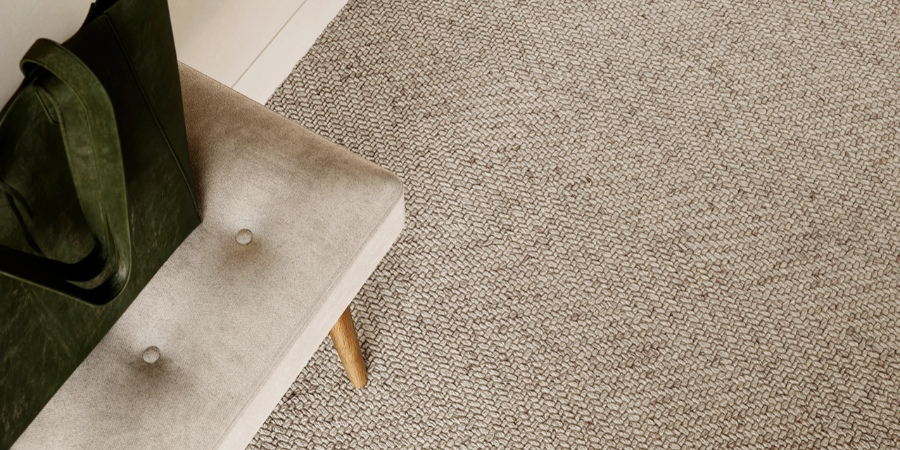
Investing in high-end floor coverings requires a clear understanding of fiber performance before making a purchase. A premium natural textile brings distinct benefits and drawbacks to your floor plan. Balancing these factors helps you find the right fit for your home.
Order free custom rug samples today and feel the difference of premium New Zealand wool in your own home before you commit.
Evaluating wool rug pros and cons reveals that these natural fiber pieces are investment-grade decor elements offering a twenty-to-fifty-year lifespan. On the positive side, wool fibers provide exceptional durability, natural flame resistance, and comfort underfoot because of their elastic structure. However, these premium pieces carry a higher upfront cost than synthetic rugs and are susceptible to initial shedding and moth damage if neglected. For homeowners seeking lasting design value, a wool rug is often worth the initial cost, but proper maintenance is necessary to protect the natural fibers.
To help you decide if this classic material suits your space, we must look at how these textiles are created. Let us examine what makes wool rugs different, including fiber structure and pile types.
Wool Rug Pros And Cons: What Makes Wool Rugs Different: Fiber Structure and Pile Types
Direct answer: Wool rugs are different from synthetic options because their keratin protein fibers contain overlapping scales that repel dirt naturally. Plus a lanolin wax coating that creates a built-in stain barrier. This molecular structure gives wool a 20-50 year lifespan, far exceeding the 3-10 year life of synthetic alternatives.
To understand the debate around wool rug pros and cons, you must first look at the fiber itself. Natural fibers like wool are highly regarded in rug manufacturing for their unique structural and aesthetic properties compared to synthetics. At a microscopic level, a wool fiber is made of keratin protein. This fiber has overlapping scales that lock together to repel dirt and dust. In addition, wool fiber contains lanolin, which is a natural wax that provides inherent protection against spills. This protective layer keeps liquids on the surface, giving you time to blot them before they stain.
The Role of Wool Origin and Quality
Not all wool fibers are the same. Rug weavers choose different wool types based on the needs of the design and the room. New Zealand wool is famous for its long, white fibers. It is soft and takes dyes very well, making it ideal for bright, colorful rugs. Tibetan wool is grown at high altitudes. It contains more natural lanolin, which makes it extra strong and oily. This high fat content helps the rug resist dirt in busy rooms. Choosing the right source helps weavers build rugs that match your design goals and wear needs.
How Weavers Build Pile Types
The way a rug is made affects how it looks and how long it lasts. Weavers use three main methods to build the face of the rug, which is also called the pile.
- Hand-Knotted Rugs: Weavers tie each knot by hand on a loom. This classic method is slow but produces a very strong rug. These rugs can last for decades because the knots hold the fibers tight.
- Hand-Tufted Rugs: Weavers use a tool called a tufting gun to push yarn through a fabric backing. They then seal the back with glue and a canvas cover. These rugs are fast to make and cost less, but the glue can break down over time.
- Machine-Made Rugs: Large power looms weave these rugs quickly. They use computer designs for exact patterns. While they cost less, they lack the unique charm and longevity of a rug made by hand.
Why Pile Density Matters Most
When you shop, you should look at how close the fibers are to each other. The density of the wool pile is a key indicator of quality, as denser wool rugs tend to wear better over time. A dense pile stops dirt from sinking deep into the backing. It also keeps the fibers upright, which prevents crushing from heavy furniture or footsteps. For a complete look at how natural fibers compare, read our pillar guide, The Complete Guide to Natural Fiber Rugs: Sisal, Jute, Seagrass, and Wool.
Wool Rug Pros: Durability, Softness, and Natural Stain Resistance
Direct answer: Wool rugs deliver exceptional durability (20-50 years), unmatched softness underfoot, and natural stain resistance thanks to lanolin-coated fibers that repel liquid before it penetrates. They also resist static electricity, regulate room temperature through trapped air pockets, and self-extinguish if exposed to flame.
When you choose a rug for your home, understanding the material science behind the fiber helps you make the right choice. Wool stands out as an investment-grade option that blends luxury with high performance. From the family room to the bedroom, the benefits of natural wool fibers make them a top design choice.
Unmatched Durability and Elasticity
One of the top wool rug pros and cons to weigh is long-term wear. Wool fibers possess incredible natural elasticity. This bounce-back power comes from disulfide bonds in the keratin protein structure of each fiber, which act like tiny coiled springs. This molecular design allows the pile to recover its shape and resist crushing in high-traffic areas. Unlike synthetic rugs that pack down and mat over time, wool maintains its height and loft. This resilience makes wool rugs ideal for busy spaces like corridors, active living rooms, and entryways where foot traffic is constant.
Natural Stain and Static Resistance
You do not have to sacrifice luxury for ease of care. Every wool fiber is coated in lanolin, which is a natural, protective wax. At a molecular level, this lanolin layer prevents water-based spills and dirt from soaking deep into the core of the yarn.
The outer layer of the fiber also features overlapping scales that trap dry soil near the surface, allowing you to vacuum it away easily before it stains. Furthermore, the high moisture retention of wool fibers allows them to resist static electricity. This makes wool a much safer and more comfortable choice in dry winter climates compared to static-prone synthetics.
Excellent Insulation and Home Comfort
Wool rugs do more than just look good; they improve the climate of your room. The crimped structure of the fibers traps pockets of air, creating a natural thermal barrier that helps regulate indoor temperatures. This insulation keeps your floors warm in the winter and cool in the summer.
These same air pockets work to absorb sound waves, reducing echo and noise transfer between floors. For maximum comfort, rugs from the Signature Collection provide a dense, soft pile underfoot. This plush texture provides a safe, healthy environment for children and pets, as wool is hypoallergenic and does not harbor dust mites.
Vibrant Color and Fire Safety
The benefits of wool extend to style and safety. Because wool is a highly porous protein fiber, it takes dyes exceptionally well to produce rich, long-lasting colors that do not fade easily. This dye uptake gives designers access to deep tones and subtle color blends. Beyond style, wool provides key safety benefits. It is naturally flame-resistant due to its high moisture and nitrogen content. If exposed to fire, it will self-extinguish rather than melt or spread flames like synthetic rugs. This natural fire barrier makes wool the perfect choice for cozy spaces near fireplaces and in bedrooms.
Wool Rug Cons: Weight, Moisture, and Price Considerations
Direct answer: The main drawbacks of wool rugs include a higher upfront cost, moisture sensitivity that makes them unsuitable for bathrooms or basements. Initial shedding during the first few months, and the need for professional deep cleaning rather than DIY machines.
Every flooring material has trade-offs, and wool is no exception. Understanding these issues helps you make the right choice for your home. While wool offers major benefits, you must also look at the upfront cost, water sensitivity, and basic care needs of this natural fiber.
Upfront Investment and True Value
The first obstacle for many buyers is the initial cost. High-quality wool rugs are more expensive than synthetic options because of the intensive work required to harvest and process natural fibers. While this price is higher than nylon or polyester, wool lasts for decades rather than just a few years. Viewing this cost as a long-term home investment helps put the price in perspective.
Moisture Sensitivity and Liquid Spills
Wool fibers absorb moisture easily, which makes them a poor fit for damp areas like bathrooms or open porches. When wool stays wet, it can breed mold or mildew. You must take immediate action on any liquid spill to prevent deep stains. To avoid permanent damage, blot the liquid with a clean cloth right away instead of rubbing it into the pile.
Shedding and Pest Protection
New wool rugs often shed small fibers during the first few months of use. This initial shedding is normal for natural rugs and will decrease over time with regular care. You should use a suction-only vacuum cleaner to keep the pile healthy without pulling the fibers loose. Additionally, natural wool can attract pests like moths if you do not clean it or if you store it in dark spaces. You can protect your rug by vacuuming under heavy furniture and rotating the rug every six months to ensure even wear.
Professional Deep Cleaning Needs
For routine dirt, regular vacuuming is enough, but deep cleaning requires a professional touch. Wool rugs need specialized hot-water extraction or dry-cleaning methods to protect their fiber structure. DIY rental machines often use harsh soaps and too much water, which can shrink the backing or strip the natural protective oils. Budgeting for expert cleaning every few years will help keep your rug looking fresh. You can also order free custom rug samples to test the material weight and quality in your own room before making a purchase.
Wool vs. Sisal vs. Synthetic: Which Lasts Longest?
Direct answer: Wool rugs last the longest of the three common rug materials, with a typical lifespan of 20-50 years. Sisal rugs last 5-15 years, and synthetic rugs last only 3-10 years. Wool also offers superior softness and natural stain protection, making it the best investment for indoor living spaces.
When selecting a rug, durability is often the primary concern. Different materials react differently to foot traffic, moisture, and daily wear. Understanding the performance of each fiber is crucial before choosing a rug for your home. While premium wool rugs are highly prized, natural sisal and synthetic options are also popular choices. Each material serves a distinct purpose and comes with its own set of advantages.
Understanding Fiber Lifespan and Resilience
Fiber longevity is where wool truly shines as an investment-grade option. Natural wool fibers are elastic, meaning they spring back and resist crushing under heavy foot traffic. This elasticity allows a wool rug to maintain its shape for decades, often lasting 20 to 50 years with basic care.
By comparison, sisal is a stiff natural plant fiber with excellent structural strength, but it lacks elasticity and cannot handle moisture well. Sisal rugs typically last 5 to 15 years. Synthetic fibers like nylon or polyester are inexpensive but wear out much faster. These plastic-based rugs often show crushing in traffic lanes and must be replaced every 3 to 10 years.
Indoor Air Quality and Total Cost of Ownership
Beyond longevity, the choice of material has a significant impact on your home environment. Unlike synthetic rugs that can emit volatile organic compounds (VOCs), natural wool rugs do not off-gas, making them a healthier choice for indoor air quality. Natural wool is also biodegradable and fully renewable.
While synthetic rugs have a lower price at the store, their short lifespan means you have to buy them again and again. Investing in wool provides superior long-term value, as the cost-per-year of a rug that lasts 30 years is much lower than replacing a synthetic rug five times. At The Perfect Rug, we offer premium custom designs in all three materials to suit your exact budget and space.
Is a Custom Wool Rug the Right Investment for Your Home?
Direct answer: A custom wool rug is the right investment if you want a piece that fits your exact room dimensions (not just standard sizes). Lasts 20-50 years with proper care, and provides natural stain resistance, insulation, and flame safety. For homeowners who value quality over replacement cycles, custom wool delivers the lowest cost-per-year of any premium rug option.
Choosing a rug is a major step in styling a home. If you want a piece that lasts for decades, custom wool is an excellent option. A custom wool rug offers a unique mix of comfort, strength, and style. Understanding how these pieces add value to your space can help you make the best choice. This guide will help you weigh the options for your home design.
The Value of Custom Sizing to the Inch
Most retail stores only sell rugs in standard sizes like 8x10 or 9x12 feet. If your room has non-standard dimensions, these options often leave awkward gaps. A custom-sized rug solves this issue by letting you choose the exact width and length you need. Whether you have a tight hallway, a wide dining room, or a unique room shape, custom cuts fit your space perfectly. You can design an ideal fit by creating your own custom wool rug to match your exact furniture layout.
Unmatched Longevity and Aesthetic Appeal
Wool is an investment-grade material that adds real value to a home's aesthetic and investment profile. Wool rugs maintain their original appearance even after years of active use. The natural resilience of the fibers allows them to bounce back from heavy foot traffic and furniture weight. While a cheap synthetic rug may need replacement every three to five years, a premium wool rug can easily span decades when properly cared for. This makes custom wool a highly sustainable and cost-effective choice over time.
Browse our custom wool rug collection and get free shipping on every order, plus free 1:1 design consultation from our in-house team.
Simplifying Your Buying Decisions
We make it easy to choose the right style with our free 1:1 design consultations and custom sample program. You can order three standard swatches for free to test colors and textures in your own lighting before buying.
For homes where air quality is a priority, our Signature Collection features CRI Green Label Plus certification. This ensures low chemical emissions for a healthier indoor environment. We also offer Affirm financing to help you spread the cost of your purchase. If you are ready to explore your options, you can browse our complete custom wool area rug collection today. For a broader look at all your natural fiber options, visit our comprehensive Complete Guide to Natural Fiber Rugs.
Frequently Asked Questions
Do wool rugs stain easily?
No. Natural wool fibers have a thin outer layer of lanolin, which is a natural wax. This wax helps repel water and spills. Spills stay on the surface for a short time instead of sinking in. However, you must clean up liquid spills right away. This natural shield protects the fiber, but quick care is still key to prevent permanent spots.
Are wool rugs good for high-traffic areas?
Yes. Wool is very strong and springy. The fibers have a natural coil that lets them bend and bounce back instead of crushing under heavy footsteps. This makes them ideal for busy hallways or family rooms. This elastic quality helps wool keep its shape and fresh look over many years of heavy daily use.
Are wool rugs hypoallergenic?
Yes. High-quality wool rugs are safe for most people who have allergies. The dense fiber structure traps dust and common allergens instead of releasing them into your breathing space. Unlike synthetic options, they do not release harsh gases. They do not hold onto dust mites easily, either. This natural benefit helps keep your indoor air clean and healthy for your family.
How long do wool rugs last?
A good wool rug can last for decades when you take care of it. Unlike cheap synthetic rugs that you must throw away after three to five years, wool is a true investment. It can stay beautiful for twenty to fifty years. Regular vacuuming and occasional professional deep cleaning will protect the fibers and keep the colors bright for a lifetime of home use.
Are wool rugs worth the price?
Yes, wool rugs are worth the price for homeowners who plan to keep their rug for more than a few years. While the upfront cost is higher than synthetic options ($16.89-$39.63 per square foot). The cost-per-year of a 30-year wool rug is significantly lower than replacing a synthetic rug every 3-5 years. Add the benefits of natural stain resistance, insulation, flame safety, and biodegradability, and wool delivers the best long-term value of any rug material.
Ready to Invest in a Custom Wool Rug?
Choosing the wrong rug can leave you with a flat, worn out piece that needs replacement in just a few years. An investment grade wool rug offers a durable, beautiful solution that lasts for decades when cared for properly. Do not settle for standard store sizes that fail to fit your room design or layout.
Order free samples of custom wool rugs to find the perfect match for your home today. Every order includes free shipping, free design consultation, and flexible Affirm financing.
Keep in the Loop


