Design professionals enjoy exclusive discounts and benefits. Join our Trade program.
What Is Polypropylene? Outdoor Rug Guide
Article Posted On: September 25, 2026
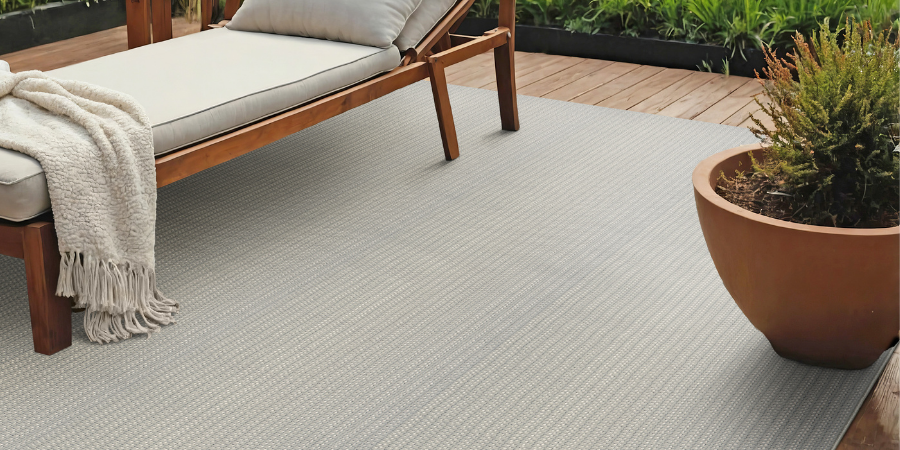
Outdoor rugs must do more than define a seating area. They need to withstand moisture, changing weather, tracked-in soil, and sustained sunlight without becoming difficult to maintain. For patios, decks, porches, and other exposed spaces, polypropylene offers a practical balance of performance, design flexibility, and value.
A polypropylene rug outdoor guide starts with the material's core advantages: polypropylene is a durable synthetic fiber that resists moisture, stains, mold, mildew, and UV fading while remaining quick-drying and easy to clean. Its versatility makes it a strong option for custom outdoor applications.
The right selection still depends on your site's dimensions, exposure, traffic, and visual direction. A custom-sized rug can establish more precise proportion around outdoor furniture, especially where standard rectangles leave awkward gaps. Explore custom indoor outdoor area rugs, then consider how the fiber itself is produced and why that manufacturing process influences color retention and performance.
If you are comparing materials before a purchase, Order Free Samples to evaluate color and texture in your own outdoor light. For a broader look at natural materials for interior spaces, see The Complete Guide to Natural Fiber Rugs: Sisal, Jute, Seagrass, and Wool.
What Is Polypropylene? How This Synthetic Fiber Is Made
Polypropylene, also called olefin, is a manufactured synthetic fiber used in carpets and rugs. It is extruded from polymer material into continuous filaments, rather than harvested from a plant or animal, and is valued for its affordability, versatility, and colorfastness.
Natural rug fibers begin as agricultural or animal materials. Wool is shorn from sheep, while sisal, jute, and seagrass are harvested from plants and then processed into usable yarns. Polypropylene follows a different route. Manufacturers melt and extrude the material through small openings, forming fine filaments that can be textured, twisted, and constructed into a rug surface.The filaments can be engineered for different textures, pile profiles, and visual effects. In residential and outdoor collections, polypropylene is often made to resemble the character of natural materials such as wool or sisal. This makes it possible to achieve a tailored, textural appearance without selecting a natural fiber for every application.
One of its most important technical characteristics is solution dyeing. In this process, pigment is introduced while the fiber is being extruded, rather than applied only after the filament has been formed. The color is therefore integrated throughout the fiber, contributing to high colorfastness and strong resistance to fading in sunlight. That distinction matters when a rug will be exposed to changing light levels on a porch, patio, or sunroom.
Polypropylene is not automatically the right material for every room or design brief. Fiber construction, face weight, backing, installation conditions, and the specific exposure of the space all influence performance. However, its combination of accessible pricing, adaptable appearance, and solution-dyed color makes it a practical material to evaluate when you need a rug that bridges design intent and demanding use.
Why Polypropylene Rugs Are Ideal for Outdoor Spaces
Polypropylene rugs are ideal for outdoor spaces because the fiber resists moisture, stains, sunlight, and mildew while drying quickly and remaining easy to maintain.
Outdoor flooring has to perform through changing conditions. A rug on a patio, deck, porch, or balcony may encounter rain, condensation, food spills, tracked-in soil, and intense afternoon sun. Polypropylene is well suited to that exposure because it does not readily absorb moisture, and its resistance to staining helps preserve a more finished appearance between cleanings. Color stability in direct sunlight
Many polypropylene rugs are solution-dyed. The color is introduced during extrusion rather than applied only to the surface after the fiber is formed. That construction gives the material high colorfastness and improves its resistance to fading in sunlight resistance.
Outdoor rugs must withstand more than water alone. Sunlight, rain, humidity, mildew, and mold all influence material performance. Polypropylene addresses those demands with a weather-resistant, quick-drying construction. The Perfect Rug's Synthetic collection is UV stabilized, and synthetic rugs can be hosed down or spot-cleaned when ordinary outdoor debris accumulates.
- Moisture resistance: Helps the rug perform in damp conditions and dry more readily after exposure.
- Stain resistance: Makes routine spills and outdoor soil easier to manage.
- UV and fade resistance: Solution-dyed fibers help retain color in bright sunlight.
- Weather resilience: The material is designed to resist the environmental pressures associated with patios, decks, and porches.
- Flexible design: Patterns and textures can provide a natural-fiber look while delivering synthetic-fiber performance.
For spaces that need a tailored fit, explore custom synthetic rugs in the dimensions and shape your outdoor layout requires. A precisely sized rug can define a seating or dining zone without leaving awkward gaps around the perimeter.
Polypropylene vs. Natural Fibers for Patios and Decks
For patios and decks, polypropylene is the practical choice because it combines moisture resistance, stain resistance, and cost-effective high-traffic performance. Sisal, jute, seagrass, and wool are better suited to dry, low-moisture interior settings where their texture and longevity can be fully appreciated.
Material selection should follow the exposure conditions, not just the room's visual concept. Outdoor rugs must withstand sunlight, moisture, and potential mildew or mold growth.
- Choose polypropylene when the rug will face rain, spills, tracked-in moisture, or frequent foot traffic.
- Choose natural fiber when the priority is tactile depth and a long service life in a controlled, dry interior.
- Review construction as well as fiber: fiber weight is a useful indicator of carpet and rug durability.
For outdoor, deck, and patio applications, polypropylene is the clear winner. It handles the moisture and exposure that can compromise natural fibers, while its cost makes replacement or seasonal updates more manageable. Natural fibers excel indoors, where dry conditions allow their distinctive material character to deliver lasting value. For help matching a material to the exposure in your project, Get Design Help.
How to Clean and Maintain a Polypropylene Outdoor Rug
A polypropylene outdoor rug stays at its best with routine debris removal, prompt spot cleaning, adequate drainage, and thorough drying after heavy rain.
A polypropylene outdoor rug is designed for practical upkeep, but a consistent maintenance routine protects its appearance, comfort, and service life. The most durable construction is not determined by fiber type alone. Fiber weight, often listed in ounces per square yard, is a key indicator of durability because the amount of face fiber is directly related to how well the rug performs over time.
- Vacuum regularly. Remove loose soil, sand, leaves, and pollen before they work down into the pile. Use a suitable setting for the rug's construction, and avoid aggressive brushing that can distort the surface.
- Hose away surface debris. Synthetic rugs can be hosed down when routine vacuuming is not enough. Move the rug to a surface where water can drain freely, rinse from one end to the other, and allow it to dry completely before putting it back in place.
- Spot-clean spills promptly. Blot liquid rather than rubbing it deeper into the fibers. Use clean water and a mild, compatible cleaning solution, testing an inconspicuous area first.
- Manage rain and moisture. Can you leave polypropylene rugs in the rain? Often, yes, when the rug is specifically designed for outdoor use and has adequate drainage. After heavy rain, lift or reposition it if water is pooling underneath.
- Limit prolonged UV exposure when practical. Choose a UV-stabilized construction, such as The Perfect Rug's Canyon Synthetic collection, and rotate the rug periodically to distribute exposure.
Custom-Sized Polypropylene Rugs: What to Order and How
Custom-sized polypropylene rugs are made to your exact dimensions and selected shape, giving outdoor spaces a finished fit where standard rug sizes leave awkward gaps or excess material.
Start by measuring the usable area, not simply the full footprint. On a patio, note door swings, furniture legs, grill clearances, and the edges of the hardscape. For a seating arrangement, decide whether the rug should hold only the front legs of the furniture or extend beneath every piece. These proportion and circulation decisions determine the most functional final dimensions.
The Perfect Rug can produce a polypropylene rug to the inch in practical and architectural shapes, including rectangles, circles, ovals, and L-shapes. That flexibility is useful for wrapping a dining set, defining a conversation area, or following an irregular terrace without forcing the space into a conventional rectangle. The custom indoor outdoor area rugs collection is a helpful place to review available patterns and silhouettes.
Select the fiber and pattern for the setting
For a performance-focused outdoor application, consider the Canyon Synthetic collection, made from 100% polypropylene and UV stabilized. Polypropylene is also a practical choice for covered porches, sunrooms, mudrooms, and other areas where moisture, staining, and frequent cleaning are concerns. Order samples before committing to a large surface. The first three standard 5-inch samples are free, allowing you to assess color, scale, and texture in the actual light and alongside the surrounding materials.
Plan production and delivery
Most custom orders are produced in 12 to 15 business days. Shipping is free on every order! Designers and architects can also use the Trade Program for project support and repeat specification needs.
Frequently Asked Questions
Polypropylene is a suitable outdoor rug material when the construction is rated for exterior use, the installation allows drainage, and routine cleaning keeps debris and standing water from accumulating.
Can a 100% polypropylene rug be used outdoors?
Yes. Polypropylene is a practical outdoor fiber because it resists moisture and staining, and many polypropylene rugs use solution-dyed fibers that hold color well in sunlight. Choose a construction rated for outdoor exposure, with adequate drainage and a backing that will not trap water.
Can you leave a polypropylene rug in the rain?
Occasional rain is generally manageable, but the rug should be able to dry fully between wet periods. Place it where air can circulate beneath it, avoid low spots where water collects, and lift it after heavy storms if drainage is poor.
What are the disadvantages of polypropylene rugs?
Polypropylene is not the right choice for every setting. It can feel less naturally textured than wool or sisal, and lower-quality constructions may show wear sooner in demanding traffic. Standing water, embedded debris, and prolonged harsh exposure can shorten the useful life of any outdoor rug.
How do I choose the best polypropylene outdoor rug?
Start with the exposure level, traffic pattern, and dimensions of the space. Look for solution-dyed fibers, a construction designed for outdoor use, and a fiber weight appropriate to the traffic. Then confirm that the size and shape suit the furniture plan and drainage conditions.
Are polypropylene rugs easy to clean?
Yes. Remove loose debris regularly, address spills promptly, and follow the manufacturer's care instructions. Many outdoor polypropylene rugs can be rinsed or spot-cleaned, but allow the rug to dry completely before putting furniture back on it.
Find the Right Outdoor Rug for Your Space
The best outdoor rug balances exposure-ready fiber, appropriate construction, and a size that supports the furniture plan without compromising circulation or drainage.
A well-proportioned polypropylene rug can make a patio, porch, or deck feel intentional while providing the practical performance outdoor living requires. Order samples to review color and texture in your own light, or speak with our in-house team about the right custom dimensions and shape.
Order Free Samples or Get Design Help for your custom outdoor rug.
Keep in the Loop


