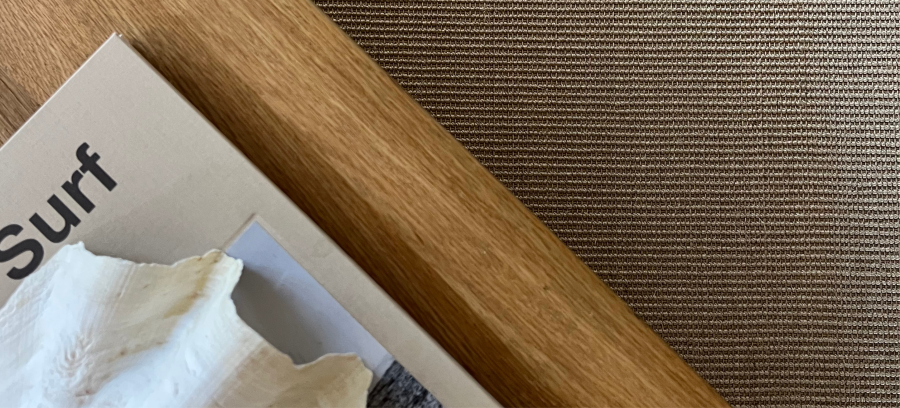
Sisal vs Synthetic Rug: Best for High-Traffic Rooms?
Get the facts on sisal vs synthetic rug durability, moisture resistance, and lifespan. Compare natural sisal and synthetic fibers to find the best rug for your space.
If you are deciding between a natural sisal rug and a synthetic alternative for a high-traffic area in your home, the short answer is this: sisal offers superior durability and a premium natural aesthetic that can last 15 to 20 years with proper care. Synthetic rugs made from polypropylene, nylon, or polyester provide better moisture resistance, stain protection, and lower upfront cost. Your choice depends on the specific conditions of your space.
Sisal, a natural fiber harvested from the leaves of the agave plant, has been a trusted flooring material for decades. Its tight, dense weave creates a rug that stands up to constant foot traffic, making it a favorite for hallways, living rooms, and entryways where longevity matters. But sisal has a well-known weakness: it absorbs moisture and stains easily, which limits where it can be used.
Synthetic fibers were developed to solve that problem. Polypropylene, nylon, and polyester rugs are engineered to repel water, resist stains, and hold their color in direct sunlight. They can go places sisal cannot: basements, dining rooms, kitchens, and outdoor covered patios. However, most synthetic rugs have a shorter lifespan and lack the organic texture that makes natural fiber rugs feel like an investment.
This comparison breaks down every difference that matters so you can choose the right material for your specific room, traffic level, and budget.
Sisal vs Synthetic Rug: How Does a Synthetic Rug Differ from Natural Sisal?
To understand the sisal vs synthetic rug decision, it helps to first know what synthetic rugs are actually made of. The term "synthetic rug" covers three main fiber types, each with different properties.
Polypropylene (Olefin)
Polypropylene is the most common synthetic fiber used in rug manufacturing. It is a petroleum-derived material that is approximately 20 percent lighter than nylon and 30 percent lighter than polyester, which gives it an impressive weight-to-strength ratio. The key advantage of polypropylene is that it is non-absorbent. Water and spills sit on the surface rather than soaking in, which makes polypropylene rugs an excellent choice for dining rooms, basements, and high-traffic entryways where spills are inevitable. Most polypropylene rugs are also solution-dyed, meaning the color is built into the fiber core rather than applied as a surface coating. This prevents fading even in sun-drenched rooms.
Nylon
Nylon is widely regarded as the most resilient synthetic fiber available. It has excellent recovery properties, meaning it springs back to its original shape after furniture legs or heavy foot traffic compress the fibers. This makes nylon the best synthetic option for hallways and rooms with constant movement. Nylon rugs tend to cost more than polypropylene but offer superior durability and a softer feel underfoot.
Polyester
Polyester is valued for its soft texture and vibrant color options. It is less expensive than nylon but also less durable in high-traffic zones. Polyester fibers can flatten over time under repeated pressure, so it is better suited for low- to medium-traffic bedrooms or accent areas rather than busy family rooms.
By contrast, sisal is a single natural material with a consistent, firm texture that does not change based on manufacturing processes. The tradeoff is straightforward: synthetic fibers offer more versatility in moisture handling and color selection, while sisal delivers a singular natural aesthetic and proven long-term performance.
For a deeper look at natural fiber options, explore The Complete Guide to Natural Fiber Rugs: Sisal, Jute, Seagrass, and Wool.
Sisal vs. Synthetic: Durability and Lifespan Compared
Durability is the primary reason buyers choose sisal rugs. When comparing the sisal vs synthetic rug decision on longevity and wear resistance, the differences are significant.
Sisal fibers are among the strongest natural textile fibers available. A high-quality sisal rug can last 15 to 20 years with proper care, and some installations remain beautiful for decades. The tight, dense weave of a well-constructed sisal rug helps individual fibers support each other, distributing foot traffic wear across a larger surface area. This structural density is the single most reliable predictor of a rug's lifespan in a busy area.
Synthetic rugs generally last 3 to 5 years before showing significant wear, though premium nylon options can extend that to 8 to 10 years. The difference comes down to fiber recovery. Nylon has excellent resilience and returns to shape after compression, but polypropylene and polyester fibers tend to crush permanently over time in high-traffic paths. When a synthetic rug begins to show matting or traffic lanes, replacement is the only option.
Sisal vs. Synthetic: Which Handles Moisture and Spills Better?
This is the single most important distinction in the sisal vs synthetic rug comparison, and it directly determines where each type can be used.
Synthetic rugs, particularly those made from polypropylene, are non-absorbent. Liquids bead up on the surface and can be blotted away without leaving a mark. Most synthetic rugs are factory-treated with stain-resistant finishes that make cleanup even easier. This non-absorbent property means synthetic rugs can handle everything from morning coffee spills to muddy pet paws without permanent damage. They are also resistant to mold and mildew, making them suitable for basements, bathrooms, and covered outdoor spaces.
Natural sisal is the opposite. Sisal fibers are hygroscopic, meaning they actively absorb moisture from the environment and from spills. When water soaks into a sisal rug, it causes the fibers to swell, which can lead to staining, discoloration, and even dimensional changes as the rug expands or contracts with humidity. Cleaning a sisal spill requires immediate blotting with a dry cloth and avoiding any method that introduces more water. Steam cleaning is never recommended for sisal rugs.
Sunlight is another factor where synthetics have the advantage. Solution-dyed polypropylene and most nylon fibers maintain their color even in bright, sunny rooms. Sisal, like most natural fibers, can fade over time when exposed to prolonged direct sunlight.
When to choose based on moisture:
- Choose synthetic for dining rooms, kitchens, basements, bathrooms, entryways, and covered patios.
- Choose sisal for living rooms, bedrooms, home offices, hallways, and any dry indoor space where spills are infrequent.
For ongoing care, vacuuming both types regularly is essential to remove abrasive soil that wears down fibers. For synthetic rugs, periodic deep cleaning with a mild detergent is safe. For sisal, stick to dry cleaning methods and blot spills immediately. Read our Rug Care Guide for detailed maintenance instructions for both material types.
Eco-Footprint: Natural vs. Synthetic Fiber Rugs
Environmental impact is an increasingly important factor in the sisal vs synthetic rug decision, and the two material categories differ significantly here.
Sisal is a renewable natural resource. The agave plant grows quickly with minimal water, fertilizer, or pesticides, and the fibers are harvested without harming the plant itself. At the end of its life, a sisal rug is fully biodegradable and can return to the earth without leaving synthetic residue. This makes sisal the clear choice for environmentally conscious homeowners who want to minimize their household footprint.
Synthetic fibers are petroleum-based. Polypropylene, nylon, and polyester are all derived from non-renewable fossil fuels, and they do not biodegrade at the end of their useful life. A discarded synthetic rug will persist in a landfill for decades or centuries. However, the manufacturing process for polypropylene uses less energy than harvesting and processing some natural fibers, which partially offsets the fossil-fuel concern.
Synthetic rugs do have one eco-advantage: they are naturally resistant to moths, carpet beetles, and other pests that can damage natural fiber rugs. This eliminates the need for chemical pest treatments that some natural fiber installations require in humid climates.
For homeowners who prioritize sustainability, sisal is the better choice. The natural fiber supply chain is renewable, the product is biodegradable, and a sisal rug's longer lifespan means fewer replacements over time. For a broader overview of natural fiber options, read The Complete Guide to Natural Fiber Rugs: Sisal, Jute, Seagrass, and Wool.
Which Rug Type Is Right for Your Space?
Choosing between sisal and synthetic comes down to five questions about your specific room and lifestyle. Follow this step-by-step framework to make the right decision.
- Assess your traffic level. How many people walk through this room daily? High-traffic areas like hallways, family rooms, and entryways benefit from the dense, durable construction of sisal. Low-traffic spaces like formal living rooms or guest bedrooms can work well with either material.
- Evaluate moisture exposure. Does this room see spills, pet accidents, humidity, or direct rain exposure? Dining rooms, kitchens, basements, and bathrooms need the moisture resistance of synthetic fibers. Dry indoor rooms like studies and bedrooms are ideal for sisal.
- Consider your aesthetic priorities. Do you want the organic, handcrafted texture of natural fiber or the clean, consistent look of a machine-made rug? Sisal offers a warm, earthy aesthetic with natural variations in color and texture. Synthetic rugs offer a broader spectrum of vibrant colors and patterns that cannot be achieved with natural fibers.
- Weigh budget against long-term value. Synthetic rugs have a lower upfront cost but typically need replacement every 3 to 5 years. Sisal rugs cost more initially but can last 15 to 20 years, making them more affordable on a cost-per-year basis. For large rooms, synthetic is more budget-friendly for covering significant square footage.
- Determine your customization needs. If your room has non-standard dimensions or an unusual shape, The Perfect Rug offers inch-perfect customization for both sisal and synthetic materials in any shape, including rectangle, circle, oval, hexagon, and octagon. No other retailer matches this level of precision.
For most homes, a combination approach works best: sisal in dry, low-moisture areas where durability and natural beauty matter most, and synthetic in high-moisture or high-traffic zones where stain resistance is critical.
Browse our full selection of custom sisal and synthetic rugs to explore your options by material.
Frequently Asked Questions
What are the downsides of sisal carpet?
The main downsides of sisal are moisture sensitivity, staining, and limited color options. Sisal fibers are hygroscopic and absorb spills quickly, which can lead to permanent stains. Sisal cannot be steam cleaned and requires professional dry cleaning for deep stains. It is also prone to fading in direct sunlight and can expand or contract with changes in humidity. Sisal has a firm texture underfoot that some people find less comfortable than soft synthetic or wool rugs.
Are sisal rugs soft to walk on?
Sisal rugs have a firm, textured feel underfoot rather than a soft, plush sensation. The natural fibers are coarse and tightly woven, which gives them excellent durability but a surface that some find too rough for bare feet. If softness is a priority, wool rugs or high-pile synthetic options may be more comfortable. Many homeowners pair sisal rugs with a thick rug pad to add cushioning while preserving the natural fiber benefits.
What is the difference between synthetic sisal and natural sisal?
Synthetic sisal is a man-made rug that mimics the look of natural sisal using fibers like polypropylene or nylon. It has the same woven texture and neutral color palette as natural sisal but is non-absorbent, stain-resistant, and easier to clean. Natural sisal is made from agave plant fibers and offers an authentic organic texture, better long-term durability, and biodegradability. The tradeoff is that natural sisal requires careful maintenance in dry conditions, while synthetic sisal can handle spills and moisture-prone rooms.
What is the healthiest material for a rug?
Natural fiber rugs made from sisal, jute, seagrass, or wool are generally considered the healthiest options because they are free from synthetic chemicals, VOCs, and petroleum-based materials. Sisal is non-toxic and does not off-gas the way some synthetic rugs can, especially when new. For households with allergies or chemical sensitivities, natural fiber rugs are the safer choice. However, synthetic rugs can be healthier in moisture-prone areas because they resist mold and mildew growth that natural fibers can harbor in damp conditions.
Can sisal rugs be used outdoors?
Natural sisal rugs are not suitable for outdoor use. Moisture, humidity, and direct sunlight will cause sisal fibers to stain, fade, and deteriorate quickly. Synthetic rugs made from polypropylene or solution-dyed nylon are the better choice for covered patios, porches, and outdoor living spaces because they resist moisture, UV damage, and mold growth.
Ready to Find Your Perfect Rug?
Whether you choose the natural durability of sisal or the stain-resistant versatility of synthetic, The Perfect Rug offers inch-perfect customization in any size and shape for both material types. With over 20 years of experience and more than 31,000 custom rugs crafted, our design team can help you select the right material for every room in your home.
Order free custom rug samples to compare sisal and synthetic textures in your own space, or customize your rug today with free shipping nationwide and a 12 to 15 business day production timeline.


