Design professionals enjoy exclusive discounts and benefits. Join our Trade program.
Playroom Rug Size Guide: How to Choose the Right Rug
Article Posted On: October 27, 2026
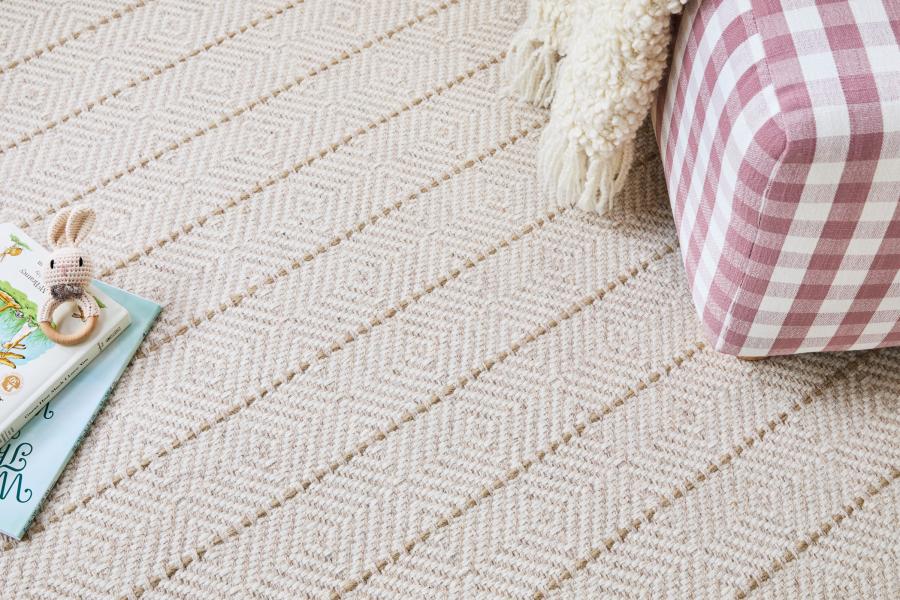
The best playroom rug size isn’t necessarily the one that covers the most floor. It’s the one that creates a soft, defined space for kids to play, read, and relax while keeping doors, storage, and walkways accessible. Start by considering how your family uses the room, then choose a rug that fits your space and daily activities.
The right playroom rug can help organize activity zones, complement your furniture, and make the room feel more cohesive without overwhelming the space.
How Do You Choose a Rug Size for Playroom Activity Zones?
The Perfect Rug recommends starting with your family’s activities. Identify your main play area, reading nook, and storage zones, then decide where a rug will make the biggest difference. Measure the intended area, account for furniture and walkways, and choose a rectangular, round, or custom-shaped rug that suits your layout.
Most playrooms serve multiple purposes, from floor play and art projects to reading and toy storage. Your rug doesn’t need to cover every activity. Instead, use it to anchor one primary zone while leaving other areas open or defining them with a smaller, separate rug.
Before choosing a size, observe how your kids use the room. Where do they spend the most time? Where do toys naturally gather? Which shelves, bins, and furniture pieces need to remain accessible? These details will help you determine whether a rug belongs in the center of the room, beneath a play area, or in a cozy corner.
Use these steps to plan your playroom rug layout:
-
Choose your priority zone: Identify where a soft, defined surface will be most useful.
-
Measure the rug footprint: Use painter’s tape to outline the proposed rug size on the floor.
-
Check walkways and doors: Make sure the layout allows easy movement between the door, storage, and other areas.
-
Test your furniture placement: Position play tables, chairs, and toy baskets where they’ll normally sit.
Leave enough exposed flooring for the room to function comfortably. A well-placed rug can define a play area without blocking drawers, limiting access to shelves, or creating awkward edges.
What Should You Measure Before Choosing a Playroom Rug?
Measure the usable activity area, furniture footprint, and main walkways before selecting a playroom rug size.Tape the proposed dimensions onto the floor and check that doors, drawers, and play equipment can move freely. If your layout doesn’t fit standard rug sizes, consider a custom rug made to your exact dimensions.
Start by measuring the room’s length and width, but don’t assume the rug should cover the entire floor. Furniture placement and everyday movement are just as important as the overall room dimensions.
For example, a small play table can sit entirely on a rug if there’s enough space to keep all its legs comfortably within the rug’s edges. Alternatively, leave the table on the hard floor and use the rug to define a separate floor-play area.
Plan around the furniture you actually own rather than an idealized layout. This helps create a practical, balanced space that works for your family.
Custom sizing is especially useful for playrooms with alcoves, narrow spaces between built-ins, or open areas that don’t match standard rug dimensions. The Perfect Rug offers custom rugs made to order in your preferred dimensions and shapes, including L-shaped options.
A wool design such as Realm Sky can be configured as a custom rug. Use your measurements to explore the right fit rather than assuming a standard catalog size will work.
Should a Playroom Rug Cover the Whole Room or Just One Zone?
Both full-room coverage and activity-zone rugs can work well. A larger rug can bring an open playroom together, while a smaller rug creates a defined area for reading or floor play and leaves more flooring exposed. Choose based on your furniture layout, available space, and how the room is used.
When to Choose a Larger Playroom Rug
A larger rug may be the best choice when most of the room functions as one open play area. It can help unify the space and create a cohesive foundation for furniture and activities.
Before choosing a larger size, check that the rug won’t block closet doors, interfere with furniture, or leave awkward edges near entryways.
When to Choose a Smaller Activity-Zone Rug
A smaller rug works well in a multipurpose playroom where different activities need separate spaces.
For example, keep an art table and toy storage on the hard floor while using a central rug for building, imaginative play, or floor activities. A compact rug can also define a reading nook, provided there’s enough room for a chair, books, and storage.
Avoid adding multiple rugs if their edges make the room feel cluttered or create potential trip hazards.
Questions to Ask Before Finalizing Your Rug Size
-
Is the rug large enough for children to play comfortably?
-
Can kids reach toys and books without navigating crowded or curled edges?
-
Are the main walkways and doorways clear?
-
Will furniture sit securely on the rug, or will its edges fall directly beneath table or chair legs?
There’s no single rug coverage percentage that works for every playroom. A narrow room, a shared bedroom and playroom, and a large bonus room all have different needs. Prioritize stability, accessibility, and everyday function over perfect symmetry.
How Should Furniture and Play Zones Sit on a Rug?
Decide whether each furniture piece should sit entirely on the rug, overlap its edge, or remain on the surrounding floor. The best arrangement depends on the furniture’s size, how often it moves, and the activity the rug is meant to support.
Keep rug edges clear of door swings and avoid placing frequently used chairs or tables in positions where their legs sit awkwardly on the boundary.
For floor play, leave enough open space for your kids to spread out comfortably. If the area includes a low table, measure the full footprint, including room for chairs to move in and out.
A rug that ends directly beneath one pair of table legs can look unbalanced and may affect how securely the furniture sits. Whenever possible, keep the furniture fully on the rug or position it completely off the rug.
Remember to account for items that move around throughout the day. Toy bins, floor cushions, and small chairs often change positions, so test your layout with these pieces in their usual places. Leave some flexibility if your storage or play equipment may change over time.
Can You Use a Custom-Shaped Rug in a Playroom?
Yes. Custom rugs can be made in shapes beyond standard rectangles, including round, oval, and L-shaped designs.
A custom-shaped rug can work particularly well in a playroom with an unusual layout, a reading nook, or a defined activity area. Before ordering, outline the proposed shape with painter’s tape and check that the edges stay clear of high-traffic areas.
A border can help frame the play zone, but choose a color and width that complement the room rather than compete with toys, furniture, and wall finishes.
You can also explore custom rug colors and patterns to coordinate with your existing palette. Comet Blue, for example, is a wool option to consider alongside your flooring, upholstery, and wall colors.
Which Rug Material Is Best for a Busy Playroom?
The Perfect Rug offers natural fibers, including wool, sisal, and jute, as well as synthetic rug options. The best playroom rug material depends on foot traffic, daily activities, the texture you prefer, and the care requirements of the specific rug.
Playrooms experience plenty of movement and occasional spills, so consider how your family uses the space before choosing a material. Durability, comfort, appearance, and maintenance should all factor into your decision.
Synthetic Playroom Rugs
Synthetic rugs may be worth considering for high-traffic or moisture-prone playrooms where durability is a priority.
Echo Grey in a synthetic option is one design to compare when exploring different materials and styles. Check the rug’s construction and care instructions to determine whether it suits your household’s needs.
Wool, Sisal, and Jute Rugs
Natural-fiber rugs offer distinctive textures and a range of design possibilities.
-
Wool rugs: A popular choice for creating a soft, layered interior.
-
Sisal rugs: Offer a distinctive plant-fiber texture for a natural, structured look.
-
Jute rugs: Add natural texture and visual warmth to a room.
The right natural-fiber rug depends on the look you want and how the space will be used. Natural materials aren’t necessarily maintenance-free, and care requirements vary by fiber, construction, and finish.
Before purchasing a playroom rug, consider:
-
Whether the area is likely to experience spills, dampness, or heavy daily traffic.
-
How the rug’s texture will feel during floor play and when walking barefoot.
-
Whether the manufacturer recommends a rug pad or specific cleaning methods.
-
How the material and color coordinate with your furniture and flooring.
Always review the product-specific care instructions rather than assuming a rug is stain-resistant, machine-washable, or easy to clean.
How Do You Finalize the Right Playroom Rug Size?
The Perfect Rug recommends testing your chosen rug dimensions on the floor before placing an order. Confirm that the outline accommodates your main activity area, works with your furniture, and leaves doors, storage, and walkways accessible. If a standard rug size doesn’t fit, explore custom dimensions or a shaped design.
Before ordering, complete this final checklist:
-
Confirm the rug’s length and width against your measurements.
-
Open every door and drawer near the proposed rug area.
-
Position furniture and storage where they’ll normally be used.
-
Walk through the room with the taped rug outline in place.
-
Recheck the rug material and care instructions for your expected activities.
If you’re unsure about color, texture, or material, order samples and compare them with your flooring and furnishings. The Perfect Rug offers free samples through its sample program, along with design consultations to help you explore your options.
You can also compare textured natural-fiber designs, such as Firefly Jet in sisal, when evaluating the look and feel that best suits your playroom.
Frequently Asked Questions About Playroom Rug Sizes
How much floor should a playroom rug cover?
There’s no universal amount of floor a playroom rug should cover. Measure the activity zone you want to define, then consider furniture placement, walkways, and storage access. A central rug can provide space for floor play, while a larger rug may work better in an open room if its edges remain clear of doors and furniture.
Can I use a custom-shaped rug in a playroom?
Yes. Custom rugs are available in shapes beyond standard rectangles, including circles, ovals, and L-shapes. Measure the area and tape out the proposed shape before ordering to ensure it fits your activity zone without blocking doors, storage, or everyday movement.
Are synthetic rugs easier to clean than natural-fiber rugs?
Cleaning requirements depend on the rug’s specific material, construction, and care instructions. Synthetic rugs may be suitable for high-traffic or moisture-prone areas, but not all rugs are stain-resistant or machine-washable. Review the product guidance before purchasing and follow the recommended cleaning methods.
Should a play table sit on or off the rug?
Either arrangement can work. Measure the full table and chair footprint to see whether everything fits comfortably on the rug. If the table sits on the rug, avoid leaving its legs directly on the edge. If it stays off, use the rug to define a separate play area and keep the transition between surfaces clear.
The Takeaway: Find the Right Rug Size for Your Playroom
The best playroom rug size is one that supports the way your family plays while giving your main activity area a defined place of its own.
Measure your space, test the rug outline with painter’s tape, and consider your furniture, walkways, and preferred material before choosing a size. Whether you select a standard rectangular rug or a custom-shaped design, the goal is to create a comfortable, functional playroom that works for your home.
Explore The Perfect Rug’s rug materials, custom dimensions, and design options to find a playroom rug that fits your space and style.
Keep in the Loop


