Sale 20% OFF Sitewide | info
Natural Fiber Rugs for Allergies: A Buyer's Guide
Article Posted On: August 7, 2026
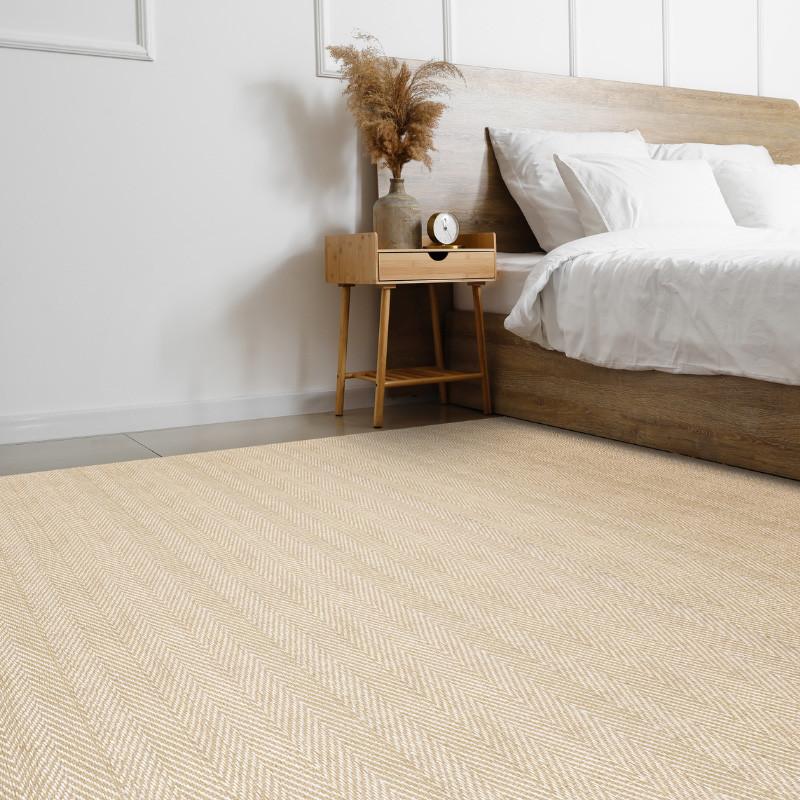
Natural Fiber Rugs for Allergies: What You Need to Know
Standard wall-to-wall carpeting acts as a trap for indoor dust, pollen, and pet dander. These hidden particles can trigger sneezing and breathing issues for sensitive homeowners.
Natural fiber rugs may be a better choice for allergy-prone homes because their tight, low-pile weave can limit how deeply allergens settle into the fibers, though carpet research shows pile height and construction interact in more complex ways than "low pile always traps less." Plush carpets are well documented as reservoirs for indoor dust and pet dander. Unlike synthetic rugs, natural fibers like sisal and seagrass resist moisture, which can make them less hospitable to dust mites, since mites need humid conditions to thrive. This dryness also helps prevent mold and mildew growth, which are known asthma and respiratory triggers. Rugs carrying the CRI Green Label Plus certification are tested for low chemical emissions. Pairing a natural fiber rug with a HEPA-filter vacuum and a regular cleaning routine is one of the more reliable ways to keep allergen levels down.
Many homeowners want to know if placing any rug in a room will make their allergies worse. To answer that, it helps to look at what the research actually shows about fiber density, dust accumulation, and indoor air quality.
Do Rugs Worsen Allergies? What the Research Shows
Rugs don't generate allergens on their own; they act as reservoirs that trap dust and pollen already in the air. Material and maintenance are the bigger variables. Low-pile, tightly woven rugs tend to hold particles closer to the surface, which generally makes vacuuming more effective. Deep, high-pile synthetic carpets give allergens more places to settle where a vacuum may not fully reach. It's worth noting that some carpet studies have found allergen concentrations highest at the base of the pile regardless of height, so no rug, natural or synthetic, substitutes for regular cleaning.
The rug allergen reservoir: A hard floor lets dust circulate freely when disturbed, while a rug traps particles until they're vacuumed out. The main concern for many allergy sufferers is the dust mite, which feeds on skin cells and thrives in warm, humid conditions. Natural fiber rugs' tighter weave and lower moisture retention can make it harder for mites to establish themselves, but this depends on humidity and cleaning habits as much as fiber type.
Chemical emissions and synthetic off-gassing: Lower-quality synthetic rugs can release volatile organic compounds (VOCs), which may irritate sensitive airways. Cheaper synthetic backings and foam pads can also trap moisture, contributing to mold growth over time.
How rug structure impacts allergens: Thick, high-pile carpets create more space where dust and dander can accumulate and become harder to remove with normal vacuuming. Lower-pile constructions are generally easier to clean thoroughly.
Why Natural Fibers May Be Better for Allergy Sufferers
Wool's crimped fiber structure can trap airborne particles rather than letting them recirculate. Sisal and seagrass stay drier and are more resistant to dust mite colonization. None of these natural materials release the VOCs associated with some synthetic backings and adhesives. That said, "natural" doesn't automatically mean "allergen-free"; maintenance still matters most.
Wool as a natural air filter: Wool fibers have a crimped structure that creates small air pockets, which can trap airborne dust. Carpets in general are known to hold substantial amounts of indoor dust; low-pile wool rugs may trap less than deep synthetic pile while still offering softness underfoot.
The moisture problem with synthetics: Synthetic fibers like nylon and polyester don't breathe as well and can trap heat and dampness, creating conditions favorable to dust mites and mold. Natural fibers like seagrass and sisal have a more open structure that allows moisture to evaporate, which can make them less hospitable to mites than synthetic wall-to-wall carpet, though humidity control in the home matters too.
What to Avoid: Synthetic Backing and Chemical Treatments
Some rugs — natural fiber or synthetic — use backings and treatments that undercut their allergy benefits. Watch for:
- Foam or rubber backing — can trap moisture against the floor, encouraging mold and mildew, and may off-gas VOCs.
- Latex adhesives — some bonding glues release fumes that can irritate sensitive airways, especially in enclosed rooms.
- Chemical stain treatments — some stain-resistant coatings can release formaldehyde or other irritants over time. Untreated natural fibers avoid this.
- High-pile synthetic fibers — deep pile gives dust more places to settle where a vacuum may not reach.
Look for natural fiber rugs without added chemical backings, and check for certifications like CRI Green Label Plus, which indicates testing for low chemical emissions.
How to Choose an Allergy-Friendly Rug for Your Home
Low-pile fiber selection: Flat weaves like sisal and seagrass are tight and smooth, which generally makes them easier to keep clean than plush carpet, and their lower moisture retention can help discourage mold growth.
Rug pad and sizing choices: Felt pads can trap dust and pollen; an open-weave natural rubber pad allows more airflow. Custom sizing that avoids gaps near walls can also reduce spots where dust collects undisturbed.
Best cleaning practices: Regardless of fiber choice, consistent, thorough vacuuming — ideally with a HEPA filter — is one of the most well-supported ways to keep dust levels down.
Frequently Asked Questions
What rug material is best for allergies?
Low-pile natural fiber rugs like sisal or seagrass are generally recommended for allergy sufferers because their flat, tight weave limits how deeply dust and dander can settle, which makes them easier to clean. Plush, high-pile synthetic carpets tend to hold more dust and require more effort to clean thoroughly.
Do jute rugs attract dust mites?
Jute doesn't inherently attract dust mites — it's a plant fiber that doesn't hold much moisture, which makes it a less favorable environment for mites than damp synthetic fibers. However, jute is more porous than sisal, so it can still accumulate loose dirt and needs regular vacuuming to stay allergen-low.
What fabric do dust mites dislike?
Dust mites generally struggle in dry environments. Sisal and seagrass stay drier and have tighter weaves, offering fewer of the warm, damp conditions mites need to reproduce. High-pile synthetic carpets tend to retain more moisture and debris, which can support larger mite populations.
Can natural fiber rugs reduce asthma symptoms?
Choosing and maintaining the right rug can help reduce asthma triggers. Fibers like sisal and wool can trap airborne particles rather than letting them recirculate, and their lower moisture retention can limit mold and dust mite growth. Regular HEPA vacuuming and prompt spill cleanup remain the biggest factors in keeping allergen levels down.
Keep in the Loop


