Sale 20% OFF Sitewide | info
Natural Fiber Rug Care: How to Clean Sisal, Jute, and Seagrass
Article Posted On: October 6, 2026
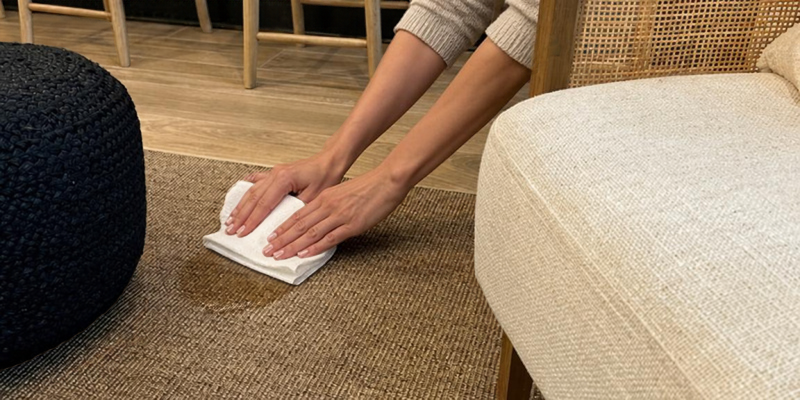
Spilling water on a handcrafted jute or sisal rug often feels like a design disaster. These premium plant-based floor coverings need a different approach to maintenance than common synthetic options.
Natural fiber rug care relies on keeping the material dry, vacuuming regularly without using a beater bar, and avoiding steam cleaning entirely. Although plant-based options like sisal and jute are highly durable, they are not naturally water-resistant and remain susceptible to severe moisture damage. You must never steam clean these organic textiles, because intense heat and high moisture will permanently warp the fibers and cause severe shrinkage. Using wet carpet shampoos can also ruin the binding and backing of premium rugs, making dry extraction the only safe professional option. Instead, consistent dry cleaning and immediate spill blotting protect your investment, allowing these premium custom-sized rugs to easily exceed a lifespan of twenty years.
To protect your premium investment, you must first understand how plant-based materials differ from standard synthetic fibers. Our complete guide begins by exploring why natural fiber rugs need fundamentally different care than synthetics.
Why Natural Fiber Rugs Need Different Care Than Synthetics
The science of plant fibers
Sisal and jute rugs are woven from raw plant stalks, which gives them a rich look and tough build. Unlike plastic rugs made from oil-based fibers like nylon, these raw fibers have unique cell structures that are not water-proof by nature. This means plant-based rugs soak up spills and wetness very fast. Knowing this makeup is the first step in practical natural fiber rug care.
Because indoor carpets can act as magnet for dust and allergens, choosing the right cleaning path is crucial. Plastic rugs can handle wet washing to clear this dirt. In contrast, heavy washing will ruin plant-based weaves. Thus, you must use dry cleaning methods to keep your indoor air clean and fresh.
Water risks and steam warning
Too much water is the main risk for raw plant fibers. When you soak a sisal or jute rug, the cells hold onto that wetness for a long time. This trapped moisture often leads to rapid mold and mildew growth. The wet fibers can also shrink and lose their shape, leaving you with a warped rug.
Because water causes such harm, you must never steam clean a natural fiber rug. Steam cleaning uses high heat and hot mist to lift dirt. This mist will soak the cells and cause shrinkage. It can also break down the fiber bonds, which ruins the texture of the weave.
How proper care extends rug life
Buying a plant-based rug is a great long-term choice. Standard plastic rugs often wear out very fast, lasting just a few years. But a well-made rug of sisal or jute is built to last, often lasting 20 years in your home with the right care. This makes them a wise choice for any room.
To achieve this long life, you must use the proper tools. Standard vacuums can easily fray the fine strands. Using safe cleaning products for natural fibers will prevent wear while lifting grit. Simple, daily care is all it takes to keep your rug looking brand new for decades.
How to Clean Sisal Rugs: Spills, Stains, and Routine Maintenance
Sisal rugs are strong and work well in areas with a lot of foot traffic. Their tough plant fibers can handle daily wear in busy hallways or living rooms. But keeping these rugs in top shape means you must know how to clean them.
Proper care stops dirt from building up and keeps the weave looking fresh. Since sisal is a tough material, it is a great choice for homes with pets or active kids. Knowing about natural fiber rug care is key to keeping this premium floor covering looking its best.
Routine Vacuuming and Air Quality
Regular vacuuming is the main way to care for your rug. It stops loose dirt from sinking deep into the weave where it can cut the fibers. Dirt that stays in the rug can also build up over time.
In fact, a study shows that home carpets can act as reservoirs for dust and allergens if they are not cleaned. Dry debris can wear down the plant fibers if you walk on the rug when it is dirty. Regular care keeps your home clean and makes your rug last much longer.
Step-by-Step Care Instructions
When you learn about cleaning sisal rugs, you will find that simple methods work best. You do not need wet cleaners or steam mops. Instead, use these easy steps to manage daily dust and sudden spills. A clear routine makes it easy to keep the weave bright and stain-free.
- Vacuum without a beater bar. Always turn off the rotating brush or use a suction-only head to prevent the fibers from fraying. This protects the neat look of the rug.
- Blot liquid spills right away. Use a dry, white cloth to soak up the wet spot. Never rub the spill because rubbing pushes liquid deeper into the weave and causes stains.
- Use natural-fiber spot cleaners. Apply a cleaning solution made for plant fibers instead of harsh soaps that can bleach the rug. These special kits do not harm the tough sisal weave.
- Apply baking soda for odors. Sprinkle the powder over dry spots. Let it sit for thirty minutes and vacuum it up to lift smells. This keeps your room smelling sweet.
Handling Dried Stains
Dried mud or food spills need a different plan. Let the mud dry fully first, then scrape it off gently with a dull knife. Once the solid pieces are gone, vacuum the spot to clear any small bits that remain.
For tough spots, a soft brush can help loosen the dried dirt without tearing the strong plant fibers. Work from the outer edge of the spot inward to keep the dirty area from spreading.
How to Clean Jute Rugs Without Causing Water Damage
Jute rugs bring a soft, organic feel to any room. But their natural plant fibers are highly sensitive to moisture. To protect your investment, you must know how to clean them safely without using water.
The moisture risk for jute fibers
Jute rugs are soft but wear down more quickly than other natural options. Because of this, they are best suited for low-to-medium traffic areas. They feel soft underfoot in quiet spaces like bedrooms. You must keep these rugs dry at all times to prevent the plant fibers from swelling and weakening. When they absorb water, the fibers lose their natural strength.
Excessive moisture does more than just weaken the rug. It can lead to fiber breakdown and cause a strong musty odor. This wet space invites mold growth that can ruin your rug. To avoid these issues, proper cleaning is needed.
Dry cleaning powder and odor prevention
You can keep your rug clean without using water by choosing dry methods. A dry cleaning powder works well to lift dirt from the deep parts of the weave. First, sprinkle the dry powder over the rug and let it sit. After some time, vacuum the powder up to remove the loose dirt. If your rug has a bad smell, baking soda is a great tool. Sprinkle a light, even layer of baking soda across the rug. Let it sit for thirty minutes to soak up the smell, then vacuum it up.
Spot cleaning and regular vacuuming
When liquid spills occur, you must act fast. Blot the spill right away with a clean, dry white cloth to soak up the liquid. Never rub the spot, as rubbing pushes the stain deep into the weave. You must never soak the rug in water or steam clean it. Moisture from steam will ruin the backing and fibers. For tough stains, hire expert cleaners who use a safe dry-extraction method.
Regular vacuuming keeps your home clean and fresh. Studies show that carpets act as traps for indoor dust and allergens. To clean the edges of your rug without causing harm, use an upholstery attachment on your vacuum. This tool gently removes dust without fraying the delicate binding.
How to Clean Seagrass Rugs: The No-Soak Method
Seagrass is one of the most forgiving choices for natural fiber rug care. Its hard reeds grow in wet soil, which gives them unique strengths. Unlike rugs that soak up water, seagrass is very non-porous. This trait helps it block spills and resist stains. These rugs also naturally keep pests away.
A Highly Forgiving Fiber Choice
Seagrass stands out among other plants used for rugs. Its thick reeds are slick and smooth, which means dirt has a hard time clinging to them. This smooth surface makes daily care much easier than it is for wool or sisal.
Unlike other rugs, you do not need to worry about deep stains from minor drops. If you want a rug that looks great without a lot of hard work, seagrass is the ideal choice.
The Daily Vacuum Routine
Even with strong fibers, dry dirt can build up between the tight weaves of a seagrass rug. If you do not clean your rug, this dirt can wear down the fibers. For best results, vacuum your rug once or twice a week without a beater bar.
The No-Soak Spot Cleaning Step
When spills do happen, you must act fast. Because the fibers do not absorb liquids quickly, you can blot up fresh wet spots with a clean cloth. For sticky spots, a damp cloth with a tiny amount of mild soap works well. But you must never soak the rug, since too much water can still damage the natural fibers.
Once you wipe the spot, use a dry towel to blot the area and remove all leftover water. You can also use a fan or hairdryer to speed up the process. For stubborn spots, you can buy special cleaning products for natural fibers. This helps keep your rug fresh and bright for years.
Long-Term Natural Fiber Rug Care: Rotation, Padding, and Storage
Your custom-sized rug is a great home investment that is made to last. With proper, steady care, a high-quality rug can have a lifespan of over 20 years. To reach this long age, you must use some smart habits for natural fiber rug care.
Professional dry cleaning and deep dust removal
Regular vacuuming is highly helpful, but it still cannot remove all dirt. Sometimes, you should take your natural fiber rug outside and give it a good shake. This quick step will easily release the deep dust that your vacuum misses.
For a deeper clean, you should get a professional cleaning once every year or two. Make sure that the cleaning crew uses a dry-extraction method. Wet liquid cleaners can easily warp, shrink, or damage these delicate plant fibers.
Sunlight protection and rug rotation
Harsh sunlight can fade your natural fibers over a long period of time. To prevent fading, you should place your rug away from direct sun. You can also use simple window blinds or UV-protected glass in sunny rooms. These steps are key parts of practical natural fiber rug care.
You should also rotate your rug 180 degrees once every few months. This rotation ensures even wear and stops heavy wear patterns in one spot. When one single spot takes all the foot traffic, the fibers can break down much faster. Rotating the rug often keeps the wear even across the whole top surface.
Rug pads and proper storage
Using a high-quality rug pad under your rug is always a smart choice. A good pad keeps your rug in place and adds a layer of soft padding. It also reduces the friction between your rug backing and the hard floor. To keep your fibers in top shape, check out our cleaning products for natural fibers.
If you need to store your rug for a long time, never fold it. Folding can crease the stiff plant fibers and cause deep, lasting cracks. Instead, roll the rug up with the backing facing out. Store the rolled rug in a dry space with good airflow to prevent mold.
Frequently Asked Questions
Can you use water to clean a natural fiber rug?
No, you should not use water to clean sisal or jute rugs. These plant fibers soak up water quickly and lose their strength when they get wet. Excess wetness can also cause mold and mildew to grow. For a clear list of safe cleaning methods, you can view The Perfect Rug care guide.
Do natural fiber rugs need professional cleaning?
Yes, you should have your natural fiber rug cleaned by a pro every one to two years. Deep cleaning helps refresh the rug and extends its life. Clean rugs also help trap dust and allergens, which can improve indoor air quality.
What is dry carpet cleaning for sisal?
Dry carpet cleaning is a safe way to clean sisal without using water. Cleaners use a dry powder that binds with dirt. Then, they vacuum up the powder and the dirt together. This dry-extraction method is the safest way to clean natural fibers, as noted in The Perfect Rug care guide.
Can you use steam cleaning on a natural fiber rug?
No, you should never steam clean a natural fiber rug. The high heat and wet steam will ruin the delicate plant fibers. This can cause your rug to shrink, lose its shape, and fade. To keep your rug safe from harm, check the tips in The Perfect Rug care guide.
Are you ready to order free custom natural fiber rug samples?
Waiting to buy a custom rug means living with cold, bare floors that look plain, feel drafty, and gather more dust and dirt every day. Standard store-bought rugs rarely fit your unique room well, which leads to awkward gaps, fast fraying in busy hallways, and very high annual replacement costs. Luckily, our made-to-order natural fiber rugs are cut to the exact inch, built to last fifty years, and shipped straight to your door for free.
Ready to request your free samples today? Request free custom rug samples today to order free custom rug samples. Seeing the colors in your own light helps you make the perfect choice for your home.
Keep in the Loop


