Sale 20% OFF Sitewide | info
The Complete Natural Fiber Rug Guide: Sisal, Jute, Seagrass, and Wool
Article Posted On: October 3, 2026
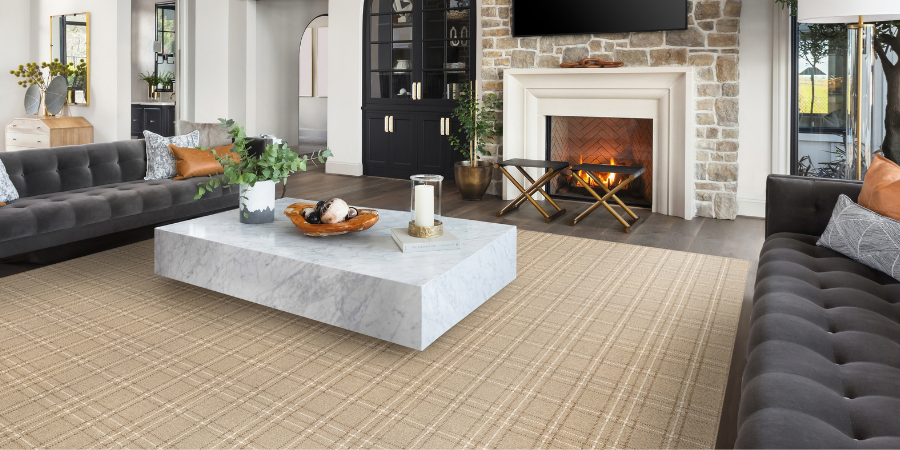
Selecting the right floor covering for a high-traffic room often feels like a trade-off between style and longevity. Standard retail rugs rarely offer the exact dimensions or material durability required for modern, busy homes. A natural fiber rug guide helps homeowners find the ideal balance of beauty and performance by exploring common materials like sisal, jute, seagrass, and wool. These investment-grade floor coverings are woven from plant and animal fibers, offering a long-lasting alternative to mass-market options that need replacing every three to five years.
Order Free Samples and compare natural fiber rugs in your own home before you buy.
The Perfect Rug solves common design pain points by providing inch-perfect sizing for non-standard spaces and high durability for busy households. Choosing the right material depends on your specific needs: sisal provides maximum toughness for hallways, while jute offers a softer feel for bedrooms. Each fiber brings a unique texture and organic aesthetic to your home while maintaining an impressive lifespan of up to fifty years for premium options like wool.
A natural fiber rug guide explains the four primary materials used in natural floor coverings , sisal, jute, seagrass. And wool , and helps homeowners select the right fiber based on foot traffic, moisture exposure, desired softness, and room placement. Natural fiber rugs offer 20 to 50 year lifespans, inch-perfect custom sizing, and sustainable materials that outperform synthetic alternatives in both durability and environmental impact.
Natural Fiber Rug Guide: What Are Natural Fiber Rugs?
Natural fiber rugs are floor coverings woven from plant-based materials such as sisal, jute, and seagrass or from animal fibers like wool. Unlike synthetic rugs made from petroleum-based polymers, natural fiber rugs are biodegradable, breathable, and offer unique textures that improve with age. They provide a middle ground between budget-friendly synthetic rugs and ultra-luxury handmade pieces, delivering investment-grade quality at accessible price points.
A natural fiber rug guide starts with a simple idea: these floor covers come from plants rather than plastics. Most often, these rugs are woven from common plant fibers like sisal, jute, and seagrass. Unlike synthetic rugs that use chemical compounds, natural fibers contribute to a healthier home environment. These materials are valued for their textures, neutral tones, and long-lasting strength. For many homeowners, they occupy the sweet spot between low-cost disposable rugs and high-end luxury pieces.
Common Plant and Animal Fibers
There are four main materials you will encounter when shopping for natural fiber rugs:
- Sisal , A stiff fiber extracted from the agave plant. It is exceptionally tough and resists dirt well. Best for high-traffic areas like hallways and entryways.
- Jute , Harvested from the stems of the jute plant. It is significantly softer than sisal, making it ideal for low-traffic spaces such as bedrooms. However, jute is highly absorbent and moisture-sensitive.
- Seagrass , A smooth fiber that grows in coastal waters. It has natural stain resistance due to its non-porous surface. Seagrass offers a middle ground between sisal's durability and jute's softness.
- Wool , The only animal fiber in this group keeps rooms warmer in winter and cooler in summer.
Flat-Weave Construction
Most natural fiber rugs use a flat-weave construction. This means they lack the thick, plush pile found on traditional carpets. Instead, the fibers are woven into a thin, dense mat with a low profile. This construction offers several advantages:
- Better air circulation , the open weave allows the rug to breathe, reducing trapped moisture
- Less dust accumulation , low-profile designs trap significantly less dust than thick carpets
- Easy maintenance , vacuuming removes surface dirt without deep cleaning
- Longer lifespan , high-quality wool rugs can last 20 to 50 years with proper care
Made to Order for Your Space
One significant advantage of natural fiber rugs is how well they fit your home. At The Perfect Rug, we produce made-to-order products tailored to your exact dimensions. We can cut your rug to the inch to fit a room, hallway, or irregular alcove, and this custom sizing comes at no additional cost. This solution benefits homeowners with non-standard spaces who need a rug that fits precisely:
- L-shaped hallways and landings
- Rooms with built-in shelving or bay windows
- Unusually narrow or long spaces
- Open-concept floor plans requiring specific zone coverage
Sisal Rugs: Unmatched Durability for High-Traffic Spaces
Sisal rugs are woven from agave plant fibers and offer the highest durability among natural fiber options. With a tight, dense weave and natural dirt resistance, sisal is the preferred choice for hallways, stairways, entryways, and other high-traffic areas. The fibers are stiff and resilient, maintaining their shape even under heavy furniture and constant foot traffic. Sisal rugs typically last 8 to 15 years, depending on care and traffic levels.
Sisal is a cornerstone of any natural fiber rug guide because of its exceptional strength. Woven from the leaves of the agave plant, these rugs offer a level of toughness that is hard to match. If you have a busy home with children or pets, sisal can handle daily wear and tear with ease. Many interior designers value sisal for its sculptural strength and organic texture that complements modern and traditional interiors alike.
Why designers choose sisal:
- Exceptional durability , withstands heavy foot traffic without visible wear
- Natural stain resistance , dense fibers keep spills on the surface for easy blotting
- Low maintenance , regular vacuuming keeps the rug looking fresh
- Static-free surface , natural fibers do not generate static electricity
- Earthy aesthetic , complements a wide range of design styles from farmhouse to contemporary
The secret to sisal's performance lies in the tough fiber structure. These fibers are naturally stiff and hard, helping the rug resist dirt and maintain its appearance. Sisal provides a cleaner, more durable surface for your floors that is easy to maintain.
Best Rooms for Sisal Rugs
Because sisal is so tough, it performs best in the busiest parts of your home:
- Hallways and entryways , These areas see the highest foot traffic and benefit most from sisal's durability
- Stairways , The stiff fibers provide natural grip, improving safety on stairs
- Living rooms , A sisal rug anchors the space and can support heavy furniture without leaving deep indentations
- Home offices , The firm surface allows office chairs to roll smoothly without damaging the rug
If you have a room with an unusual layout, you can order custom-sized rugs that fit your floor to the inch. This is ideal for L-shaped hallways or rooms with built-in features. Each piece is made-to-order to meet your specific requirements.
Texture and Color Options
Sisal has a firmer feel compared to other natural fibers like jute. While jute is soft and better suited for bedrooms, sisal is the workhorse of the natural rug category. This texture is part of its appeal and contributes to its high-end appearance. Sisal comes in a range of earthy tones:
- Tan and beige for a classic natural look
- Light brown and harvest tones for warmer interiors
- Patterned weaves like boucle for added visual interest
If you are unsure which style suits your home, it is wise to order free samples before purchasing. This lets you evaluate the color and texture in your own lighting conditions.
Jute Rugs: Soft, Natural Texture for Relaxed Spaces
Jute rugs offer the softest feel among plant-based natural fiber rugs. Harvested from the stems of the jute plant, these fibers are much finer and more pliable than sisal, creating a comfortable surface for bare feet. Jute's warm golden tones and relaxed texture make it an excellent choice for bedrooms, reading nooks, and coastal-inspired interiors. However, jute is highly moisture-sensitive and best reserved for dry, low-traffic areas.
Jute rugs combine comfort with natural style. While most plant fibers can feel stiff underfoot, jute is known for its soft, inviting texture. It has a warm golden hue that complements calm, relaxed interiors. Many homeowners turn to a natural fiber rug guide like this one to find a look that balances style with comfort. Jute delivers on both fronts, offering a beachy, organic aesthetic that brings warmth to any room.
Why Jute Is the Softest Plant Fiber
Jute comes from the stems of the Corchorus plant. These fibers are significantly finer than those used for sisal, which makes jute substantially softer underfoot. While sisal prioritizes strength and durability, jute prioritizes comfort. This makes it a top choice for dry indoor spaces where you walk with bare feet.
- Softness comparable to wool at a fraction of the cost
- Warm golden color that complements neutral and earth-tone palettes
- Natural insulating properties that help regulate room temperature
- Biodegradable and renewable , jute is one of the most sustainable textile fibers
Best Rooms for Jute Rugs
Jute rugs perform best in low-traffic areas where comfort matters more than maximum durability:
- Bedrooms , The soft surface feels gentle on bare feet first thing in the morning
- Reading nooks and sitting areas , Creates a cozy, inviting atmosphere
- Sunrooms , Jute's natural golden tones are enhanced by natural light
- Coastal homes , Jute is naturally sand-proof, making it easy to keep clean in beachside properties
You can find many jute styles in our custom jute and seagrass area rugs collection.
Care and Moisture Sensitivity
Jute is highly susceptible to water damage. You should avoid using these rugs in bathrooms, kitchens, or basements where moisture is common. Key care guidelines include:
- Blot spills immediately with a clean, dry cloth , never rub
- Vacuum regularly using a suction-only setting (no beater bar)
- Avoid steam cleaning, which can warp and shrink the fibers
- Rotate the rug every six months to ensure even wear
- Use a rug pad to reduce friction and extend the rug's life
If you are unsure whether jute is right for your space, we offer free custom rug samples so you can feel the texture in your home before committing to a purchase.
Seagrass Rugs: Stain Resistance and Sustainable Style
Seagrass rugs are woven from coastal grasses that grow in saltwater environments. The fibers are naturally non-porous, giving seagrass superior stain resistance compared to other plant-based natural fibers. This makes seagrass an excellent choice for dining rooms, kitchens, and other spaces where spills are likely. Seagrass grows quickly in saltwater without fertilizers or pesticides, making it one of the most environmentally sustainable rug materials available.
Seagrass rugs are a top pick for busy homes. These rugs come from plants that grow in coastal waters, producing strong fibers with a smooth, refined feel. Because seagrass regenerates rapidly in saltwater environments, it is a naturally sustainable choice for your floor. These rugs bring a calm, earthy look to any room while standing up to daily use with minimal maintenance.
Smooth Texture and Stain Resistance
The standout feature of seagrass is its smooth, non-porous surface. Unlike other plant fibers, seagrass does not absorb liquids quickly, which gives it inherent stain resistance. If you spill water or another beverage, you typically have time to blot it up before it leaves a permanent mark.
Key benefits of seagrass rugs:
- Non-porous fibers resist staining and moisture absorption
- Smooth texture allows chairs to slide easily over the surface
- UV-resistant , seagrass holds its color well in sunlit rooms
- Low shedding , keeps floors clean and requires less frequent vacuuming
- Flat-weave construction minimizes dust and allergen accumulation
Choosing a flat-weave seagrass rug helps maintain better indoor air quality. You can explore our full range in the rug materials guide.
Best Rooms for Seagrass Rugs
Seagrass works best in spaces with moderate to high activity:
- Dining rooms , The smooth weave allows chairs to slide easily, and stain resistance handles mealtime spills
- Kitchens and breakfast nooks , Durability and easy cleaning make seagrass practical for food areas
- Sunrooms and screened porches , UV resistance prevents fading in rooms with abundant natural light
- Family rooms , Withstands daily activity from children and pets
Wool Rugs: Timeless Luxury with Exceptional Longevity
Wool rugs represent the premium tier of natural fiber floor coverings. Handcrafted from natural sheep fleece, wool rugs offer unmatched softness, natural stain resistance from lanolin, and lifespans of 20 to 50 years with proper care. The Signature Collection at The Perfect Rug carries CRI Green Label Plus certification, ensuring low chemical emissions for healthier indoor air. Wool is the most versatile natural fiber, suitable for living rooms, bedrooms, home offices, and any space where comfort and longevity are priorities.
Wool sits at the top of the natural fiber hierarchy. Plant fibers like sisal and jute offer texture and sustainability, but wool delivers a combination of softness, durability, and natural performance that is difficult to match. A high-quality wool rug is an investment in your home. These rugs can last for 20 to 50 years, which means the cost per year is often lower than cheaper alternatives that need replacement every few years. Learn more about material selection in our guide to rug materials.
Ready to explore premium wool options? Shop the Signature Collection with CRI Green Label Plus certified rugs.
Why Wool Lasts So Long
The secret to wool's longevity lies in the fiber itself. Each wool strand has a natural protective coating called lanolin. This waxy layer helps the rug resist spills and stains naturally. Unlike synthetic fibers, wool is also highly resilient. It can bounce back even after heavy furniture has been sitting on it for extended periods.
- Natural lanolin coating repels liquids and resists soiling
- Inherent crimp structure gives wool fibers natural spring and recovery
- Moisture-wicking properties help regulate humidity in the room
- Flame-resistant , wool self-extinguishes when the flame source is removed
Indoor Air Quality and Certification
Wool rugs contribute to healthier indoor environments. Our Signature Collection carries the CRI Green Label Plus certification, which means these rugs meet rigorous standards for low volatile organic compound (VOC) emissions. This certification is particularly important for:
- Households with allergy sufferers or respiratory sensitivities
- Bedrooms and nurseries where air quality matters most
- Home office spaces where occupants spend extended hours
- Homes seeking third-party verified low-chemical products
Caring for Your Wool Rug
To maximize the lifespan of your wool rug, follow these care guidelines:
- Vacuum weekly , Use a vacuum with a beater bar set to its highest setting to avoid pulling fibers excessively
- Rotate every six months , This ensures even wear and prevents uneven fading in rooms with direct sunlight
- Blot spills immediately , Use a clean white cloth and blot from the outside of the spill inward. Never rub, as this pushes the liquid deeper into the fibers
- Professional cleaning , Schedule a deep clean every 12 to 18 months using a professional who specializes in natural fiber rugs
- Use a rug pad , A high-quality pad reduces friction, prevents slipping, and extends the life of your rug
If you are not sure which style suits your needs, follow these three steps for choosing your perfect rug to find the best fit for your home.
How to Care for Natural Fiber Rugs
Natural fiber rugs require different care than synthetic rugs. Vacuum weekly without a beater bar for plant fibers like sisal and seagrass. Blot spills immediately with a clean cloth , never rub. Rotate the rug every six months for even wear. Avoid steam cleaning for plant fibers; use professional dry-cleaning methods instead. With proper care, wool rugs can last 20 to 50 years, while plant fiber rugs typically last 8 to 15 years.
A natural fiber rug is a smart choice for a cleaner home. Low-profile rugs like sisal and seagrass are much easier to keep fresh. With the right maintenance, these pieces can last for decades while staying beautiful and safe for your family.
Weekly Maintenance Routine
- Vacuum thoroughly , At least once per week to remove loose dirt and prevent fiber abrasion
- Use the right vacuum head , Suction-only for sisal, jute, and seagrass; beater bar on high setting for wool
- Spot-clean promptly , Blot spills with a clean white cloth, working from the outside inward
- Rotate the rug , Every six months to distribute wear evenly across the surface
Dealing with Spills
When a spill happens, speed is critical:
- Blot the liquid immediately with a clean white cloth or paper towel
- Do not rub , rubbing pushes the liquid deeper into the fibers
- Use minimal water, especially on jute, which is highly moisture-sensitive
- For stubborn spots, use a cleaner specifically formulated for natural fibers
- Test any cleaning solution on a small, hidden area first
For rugs that need comprehensive care guidance, visit our natural fiber rug care guide for detailed instructions specific to each material type.
Why Choose Custom Natural Fiber Rugs from The Perfect Rug?
Standard rugs from big-box retailers rarely accommodate the unique dimensions and specific needs of individual homes. Custom natural fiber rugs solve this problem by delivering a floor covering built specifically for your space. The Perfect Rug has over 20 years of industry experience, with more than 31,000 custom rugs crafted and over 10,000 customer reviews at a 97% positive rating.
- Inch-perfect customization , Any size, any shape, any material, delivered to your exact specifications
- Free samples , Order up to three free standard rug samples to evaluate materials in your home
- Free design consultations , Work one-on-one with our in-house design team to select the perfect rug
- Free shipping , On all orders, including Alaska and Hawaii
- Affirm financing , Pay in four interest-free installments
- Trade program , Interior designers and design professionals receive 15-20% discounts
Order Your Free Samples and experience the difference of custom natural fiber rugs in your own home.
Frequently Asked Questions About Natural Fiber Rugs
Which natural fiber rug is most durable?
Sisal is the most durable natural fiber rug material. Woven from agave plant fibers, sisal offers exceptional strength and resistance to heavy foot traffic. It is the best choice for hallways, stairways, and entryways where durability is the primary concern.
Can natural fiber rugs get wet?
Natural fiber rugs generally do not handle moisture well. Jute is the most water-sensitive and can stain or develop mold if exposed to moisture. Seagrass is the most moisture-tolerant option due to its non-porous fibers. For bathrooms, kitchens, and outdoor spaces, synthetic rugs are typically a better choice. If you need a natural fiber in a spill-prone area, choose seagrass and blot spills immediately.
How long do natural fiber rugs last?
Wool rugs last the longest among natural fiber options, with lifespans of 20 to 50 years with proper care. Sisal and seagrass typically last 8 to 15 years depending on traffic levels and maintenance. Jute has the shortest lifespan among natural fibers, usually lasting 5 to 8 years, due to its softer, more absorbent nature.
Are natural fiber rugs good for allergies?
Yes, natural fiber rugs can be beneficial for allergy sufferers. Their flat-weave construction traps less dust and allergens compared to thick, plush carpets. Seagrass is particularly good for allergy-friendly homes due to its non-porous fibers that resist dust accumulation. Wool rugs from the Signature Collection carry CRI Green Label Plus certification, ensuring low VOC emissions for healthier indoor air.
Can you vacuum natural fiber rugs?
Yes, you should vacuum natural fiber rugs weekly. For plant-based fibers like sisal, jute, and seagrass, use a vacuum without a beater bar to prevent fiber damage. For wool rugs, a beater bar on its highest setting is acceptable. Regular vacuuming removes surface dirt and extends the life of your rug significantly.
Ready to Find Your Perfect Natural Fiber Rug?
Choosing the right natural fiber rug for your home comes down to matching the fiber to your space. Sisal for high-traffic durability. Jute for bedroom softness. Seagrass for stain resistance. Wool for versatile, long-lasting luxury. Each material brings unique benefits that can transform your home.
The Perfect Rug makes it easy to find the ideal fit with free samples, custom sizing to the inch, and free design consultations. Whether you need an 8x10 living room rug in wool or a custom L-shaped hallway runner in sisal. Our team can help you create the perfect piece for your home.
Schedule Your Free Consultation and order samples to find the natural fiber rug that is right for your home.
Keep in the Loop


